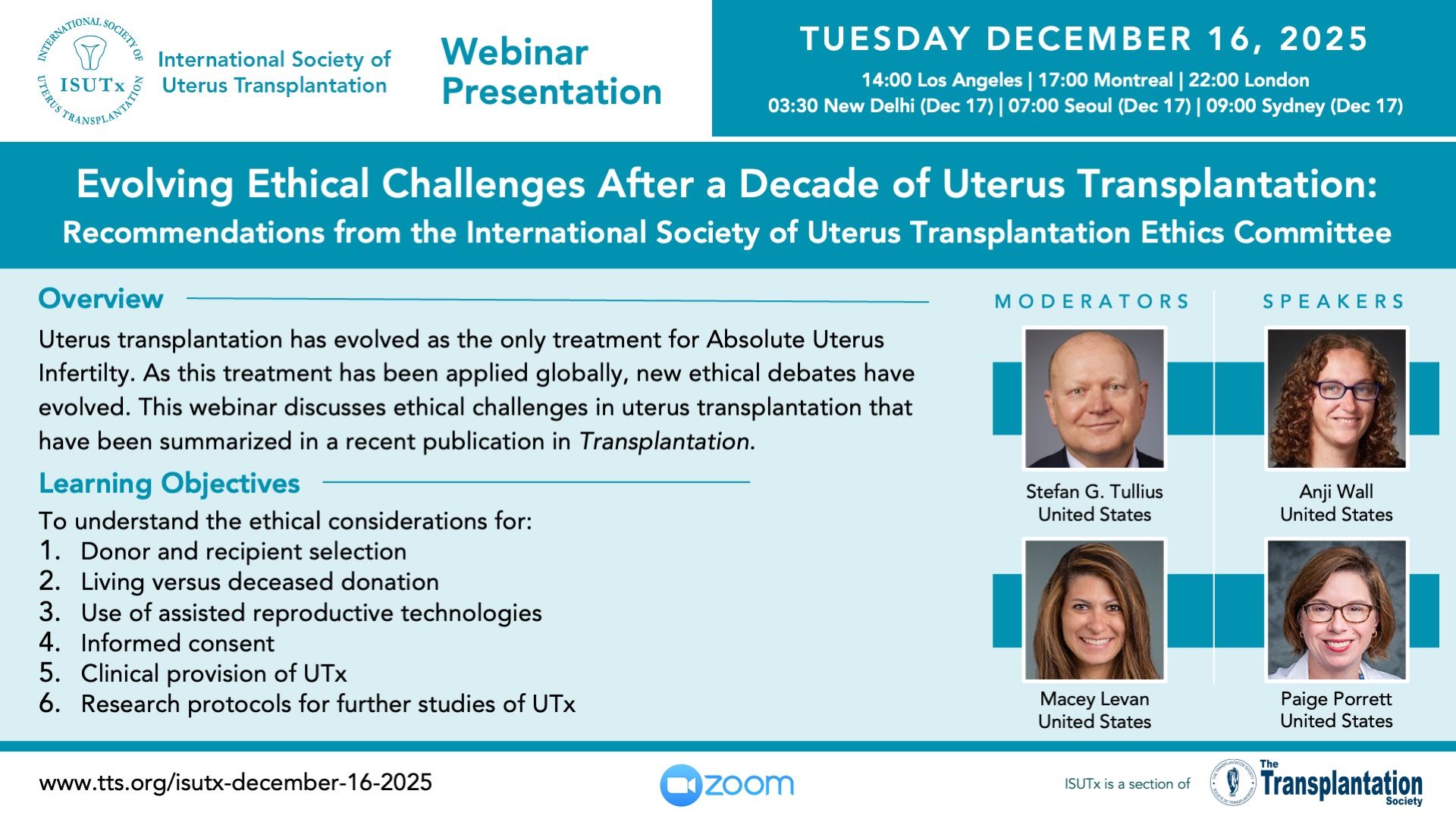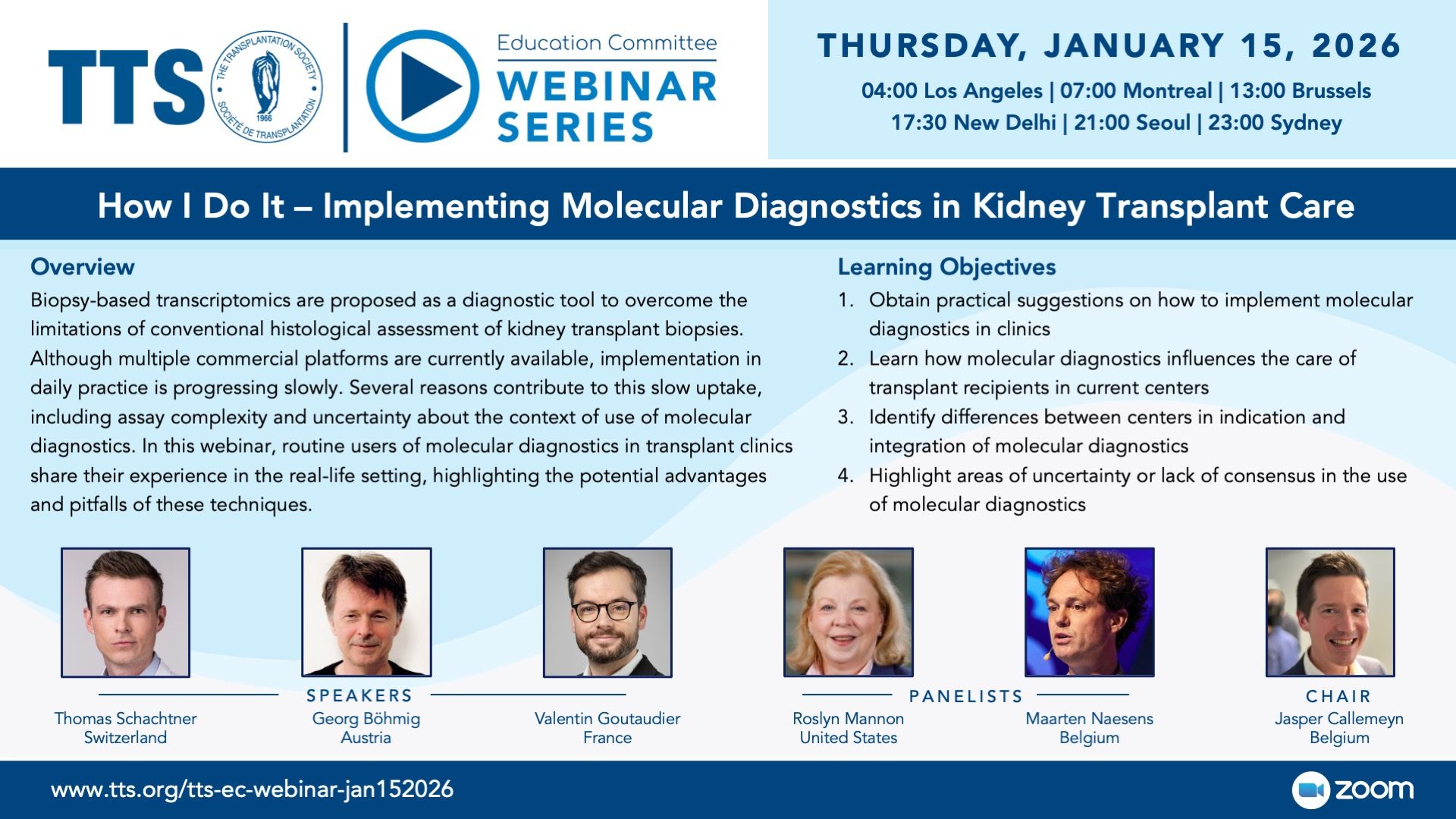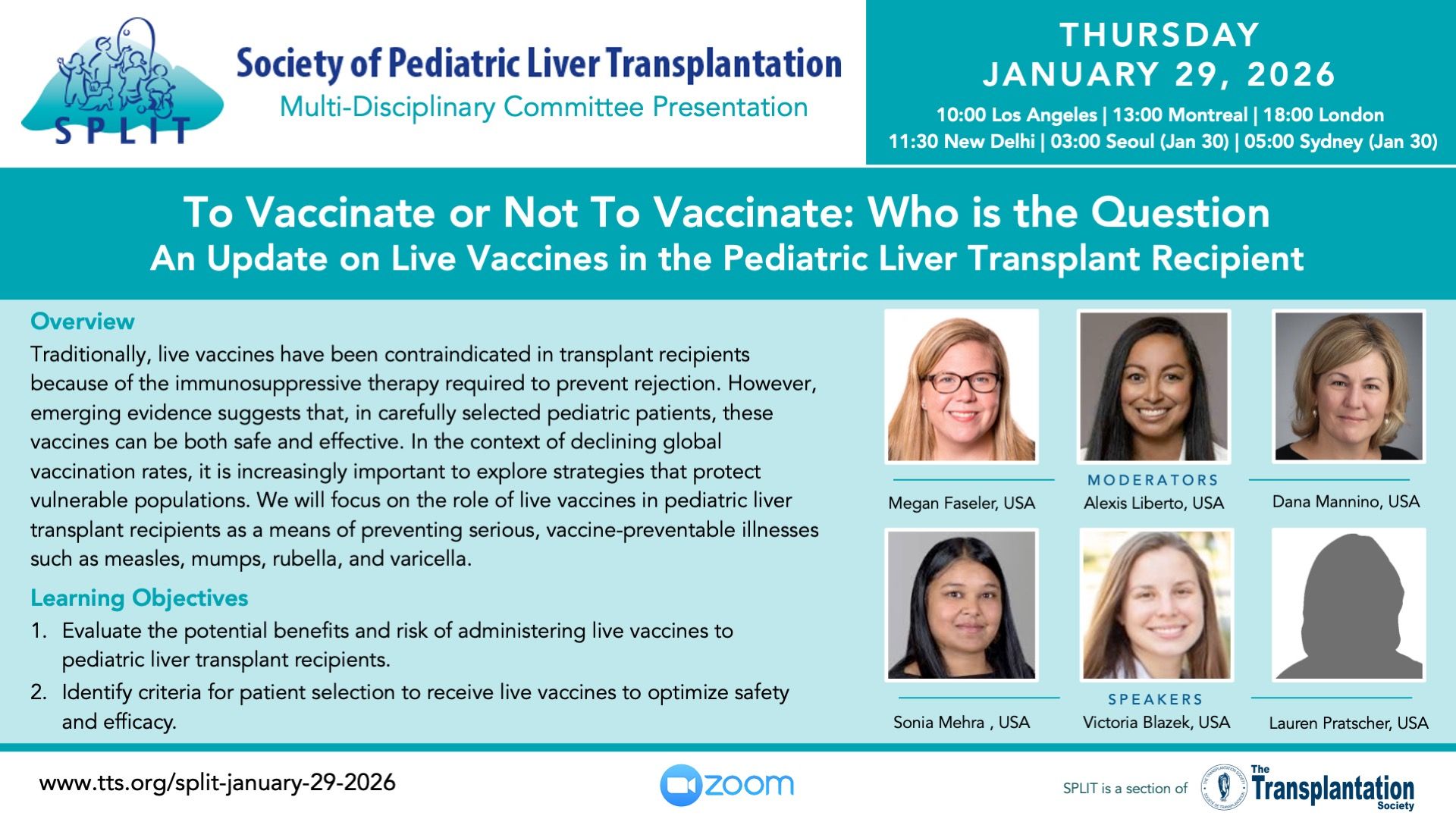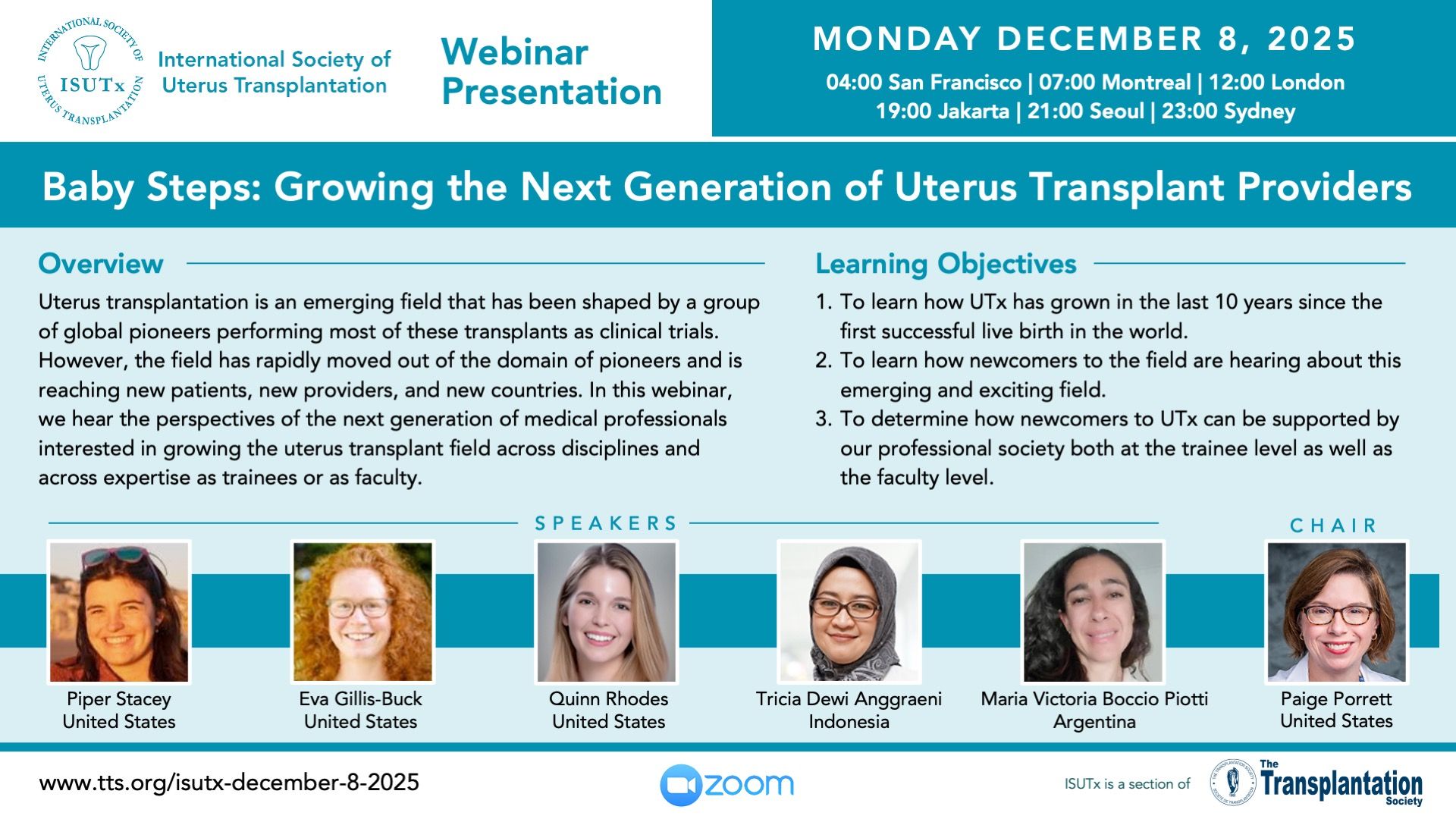

Just Released - Transplantation Direct - December 2025
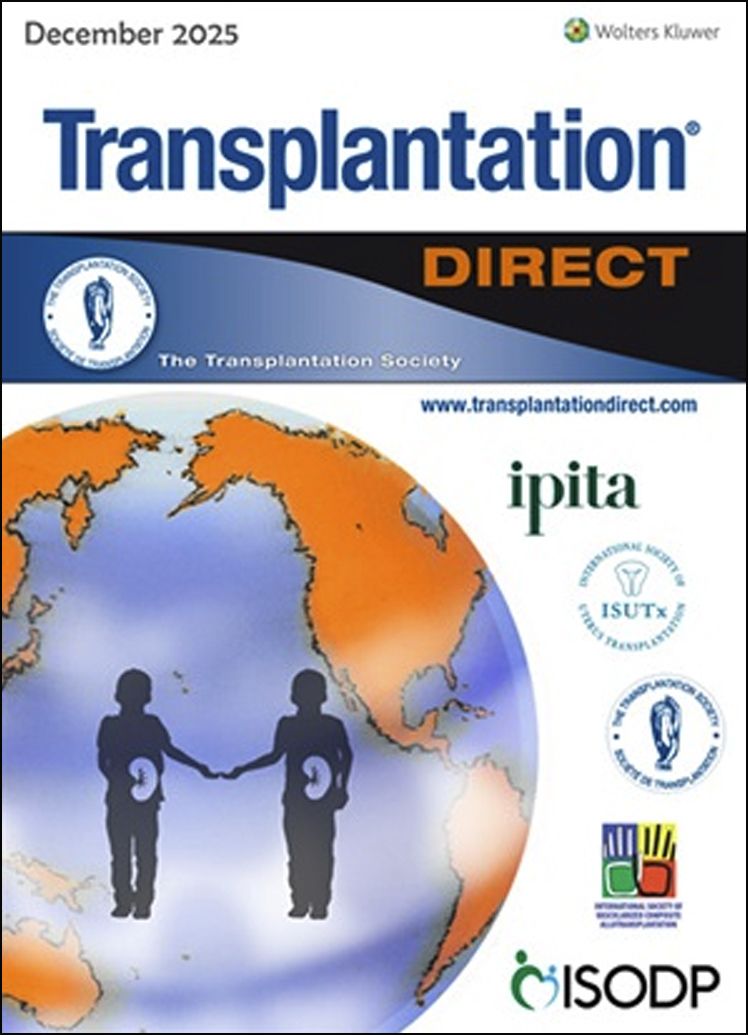
The December issue of Transplantation Direct covers a wide spectrum of transplantation research. Starting with kidney transplantation, we have articles on long-term outcomes in recipients that have developed high levels of DSA, on the impact of hypothermic machine perfusion regarding the incidence of delayed graft function, and on obstacles that determine a patients' ability to return to work after transplantation. In liver transplantation, a machine learning method using pre-transplant data is presented (US and German data) to predict 1-year survivals, and another study looks at a 13C-methacetin test to determine liver function capacity during normothermic machine perfusion. A randomized controlled pilot trial in lung transplant recipients is reported where investigators tested standard immunosuppression ± IVIG. In heart transplantation, we have a report on the impact of ECMO use post-transplant on infectious disease development. For those involved in pediatric intestinal transplantation, we have a study looking at immunological complications using intestinal grafts from very young donors (6 months old, or younger). On the topic of organ donation, the use of CT chest and abdominal deceased donor scans, versus chest radiographs and abdominal ultrasound, is evaluated with regard to detecting unexpected findings. Finally, aiming to control CMV infectious complications after transplantation, investigators use an experimental system to test the potential of cytomegalovirus-specific IVIG to control CMV-specific T cell responses. Please visit our open-access Transplantation Direct website for full details on these, and other articles.

CLICK HERE TO ACCESS THIS ISSUE


2025 Nobel Prize Lectures in Physiology or Medicine

TTS congratulates the 2025 Nobel laureates Mary E Brunkow, Fred Ramsdell, and Shimon Sakaguchi. Their work on regulatory T cells and FOXP3 transformed our understanding of peripheral immune tolerance and underpins current efforts to promote durable transplant tolerance. We welcome this recognition of a field that continues to inform practice and innovation across transplantation. Watch the December 6 award ceremonies video.

Early Career Members Committee Quick Clip Interviews
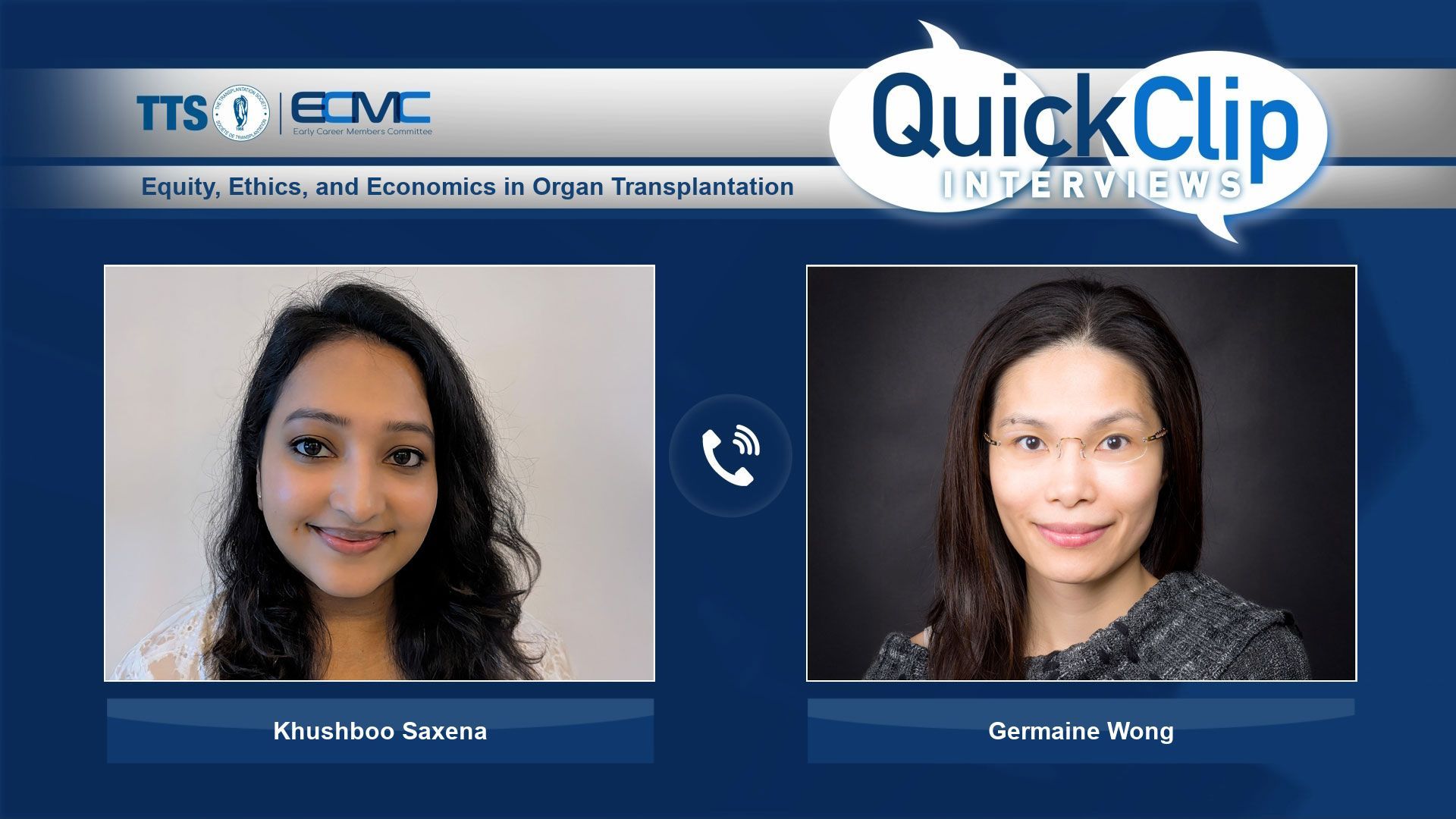
Members of the ECMC conduct interviews with members of the transplant community about current events, career development and other relevant topics.

Equity, Ethics, and Economics in Organ Transplantation

In this interview, Dr. Khushboo Saxena speaks with Professor Germaine Wong—transplant nephrologist and Chair of Women in Transplantation (WIT)—about equity, ethics, and economics in transplantation. Professor Wong discusses her work addressing disparities in transplant access, the role of ethics and health economics in fair allocation, and WIT’s pillars of leadership, research, and advocacy.

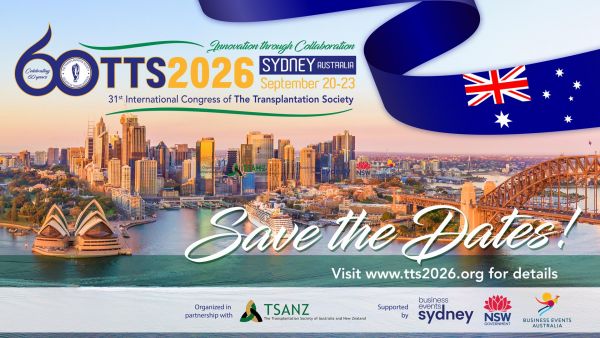
Mark your Calendars for TTS 2026

Get ready for an exciting milestone on the road to the 31st International Congress of The Transplantation Society!

From September 20–23, 2026, the global transplant community will gather in Sydney, Australia for an extraordinary scientific meeting presented in partnership with the Transplantation Society of Australia and New Zealand (TSANZ). With more than 3,500 participants expected, TTS 2026 will showcase cutting-edge research, dynamic sessions, and world-leading experts advancing the science and improving patient lives worldwide.

Abstract submissions open in January 2026, offering researchers and clinicians the opportunity to share their latest work with a truly global audience.

Starting next week, we begin unveiling our invited speakers in a special Congress edition of The Pulse — stay tuned for the first announcement!


Transplantation Journal Highlights

Transplantation Journal - Social Media Content
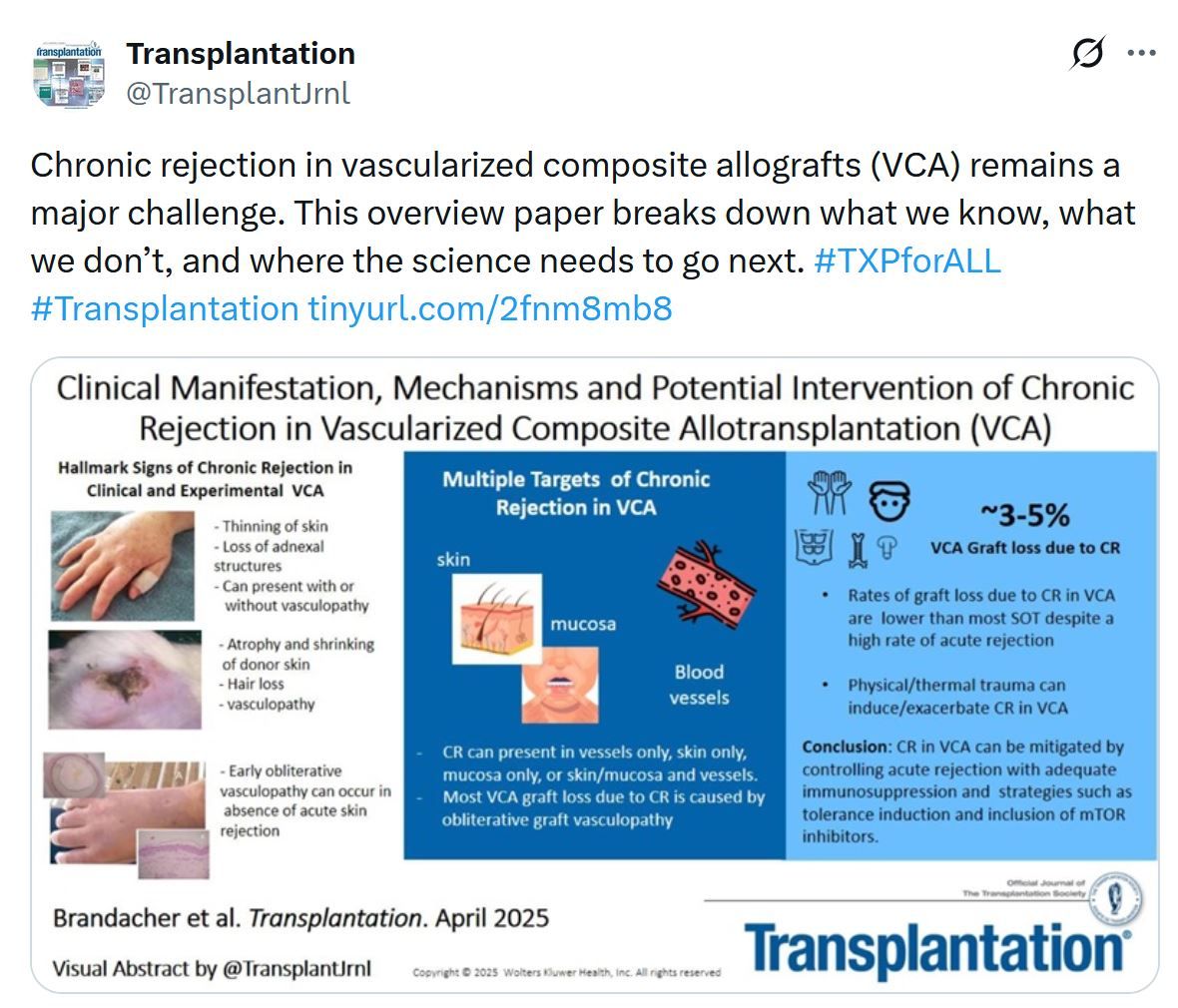
Clinical Manifestation, Mechanisms, and Potential Targets of Intervention for Chronic Rejection in Vascularized Composite Allotransplantation
As the field of vascularized composite allograft (VCA) has matured, chronic rejection (CR) has emerged as the major cause of late graft loss, albeit occurring at a lower frequency than in many solid organ transplants. VCAs differ from conventional solid organ transplants in that they have multiple tissue targets and CR types. Exposure to environmental, physical, or thermal trauma has been shown to start or worsen both acute and CR in VCA recipients.
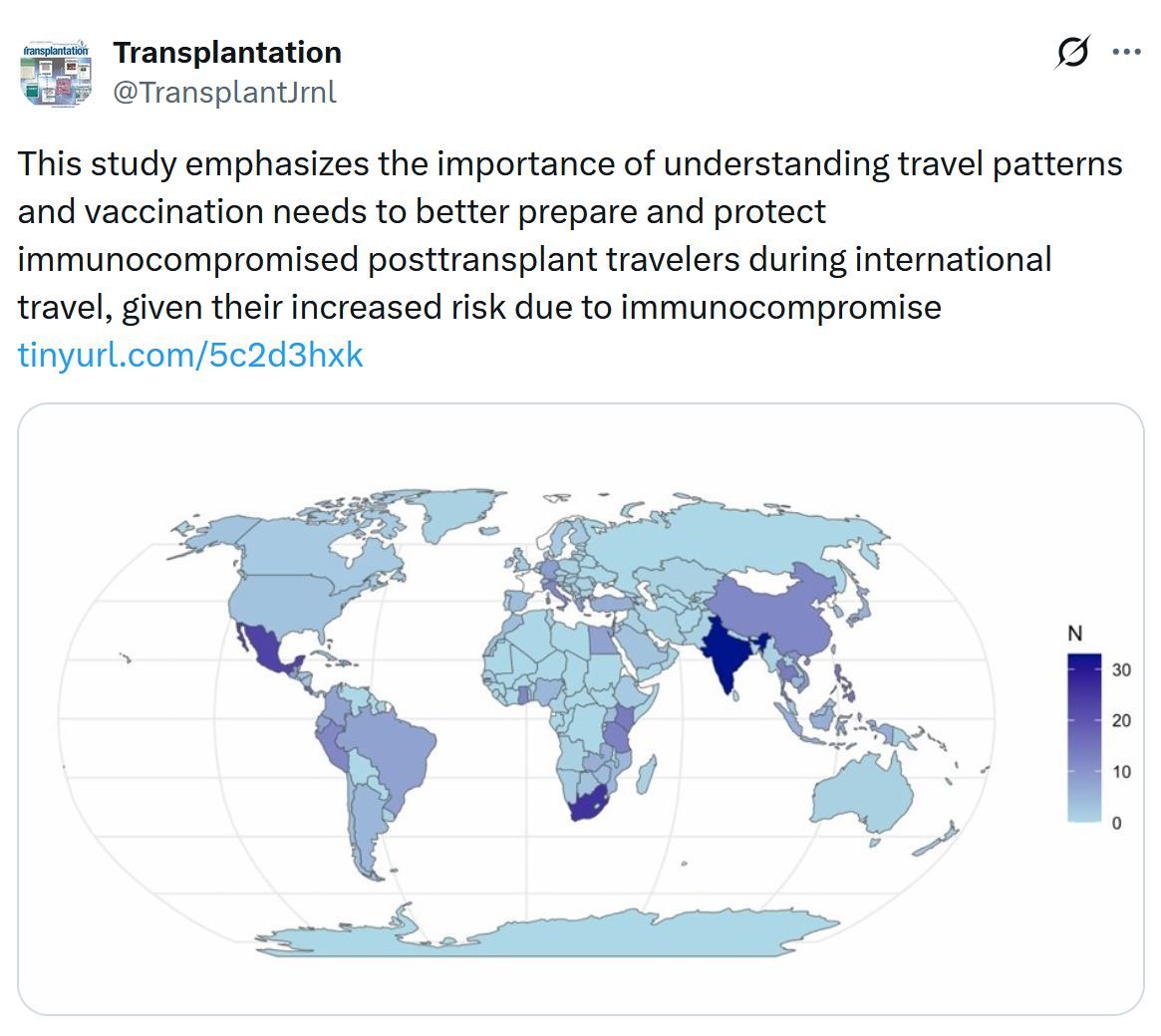
Travel After Transplant: Demographics, Travel Trends, and Vaccination Practices of US Immunocompromised Travelers
International travel by solid organ and stem cell transplant recipients is increasing. Their level of immunocompromise impacts the risk of illness related to travel and adds complexity to pretravel health preparation. We evaluated the demographics, travel trends, and vaccination practices at pretravel health consultations of immunocompromised posttransplant travelers (IPTTs) seen at 17 US clinical sites from January 2009 to December 2023.

Transplantation Direct - Social Media Content
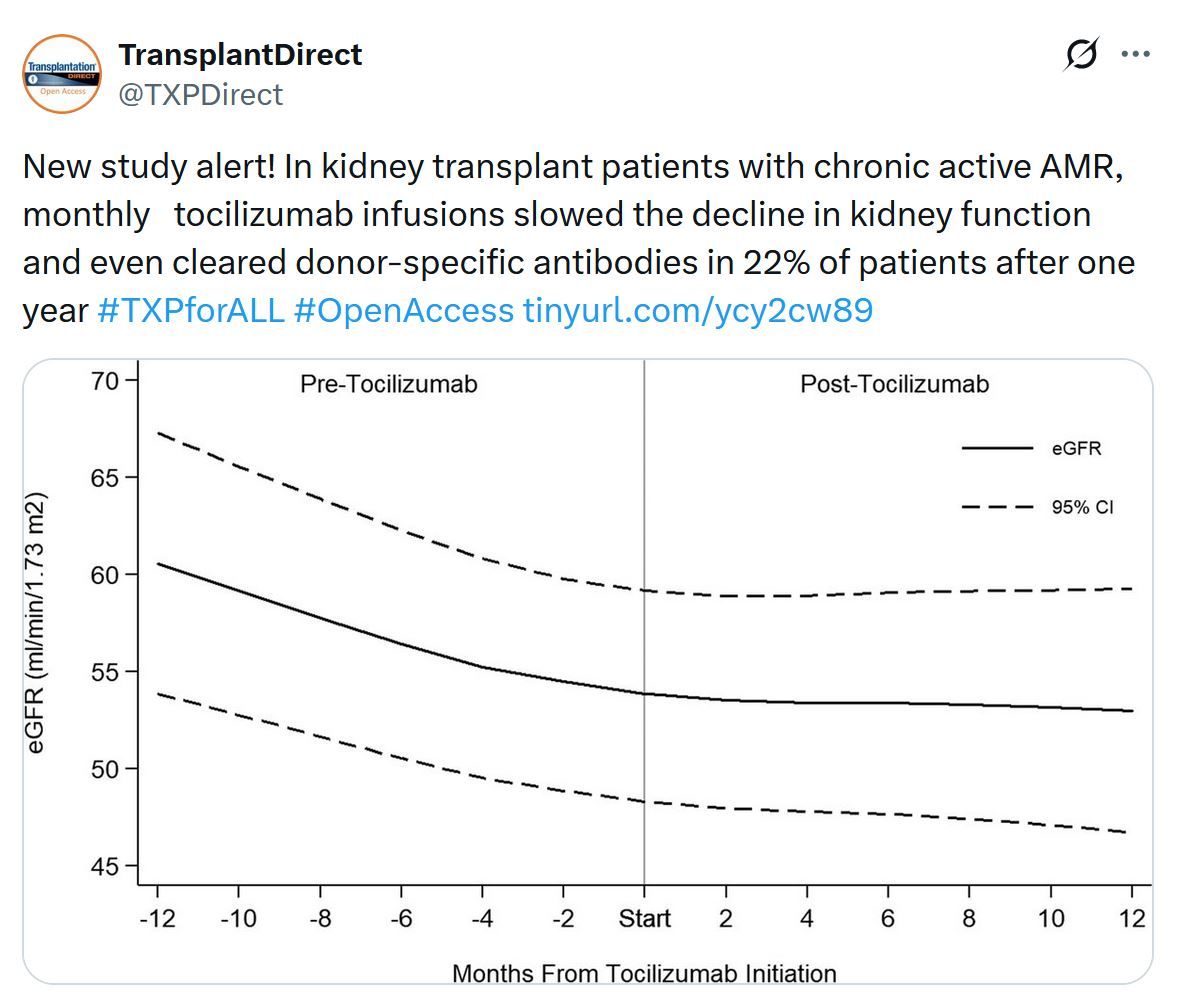
Tocilizumab Treatment for Microvascular Inflammation and Chronic Active Antibody-mediated Rejection in Kidney Transplantation
Interleukin-6 (IL-6) is an important driver of humoral immunity and a target for treatment of antibody-mediated rejection (AMR) in kidney transplantation. Data on IL-6 inhibition for treatment of AMR are mixed and their efficacy remains inconclusive. In this retrospective observational study, we investigated the association of monthly tocilizumab infusions with the trajectory of estimated glomerular filtration rate (eGFR) among kidney transplant patients with histologic features of chronic active AMR.
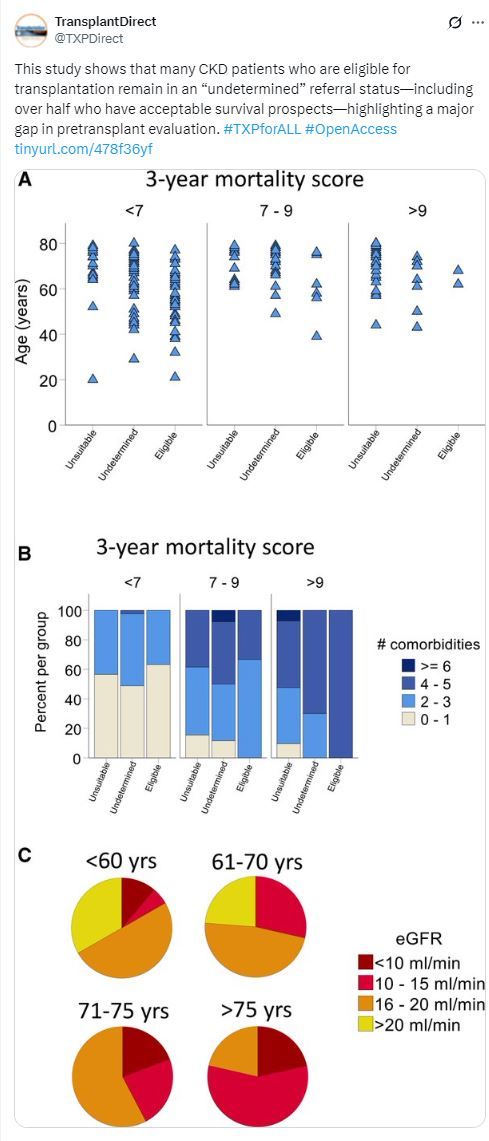
Barriers Limiting Equity in Access to Pretransplant Evaluation Among Predialysis Patients: A Cohort Study
Kidney transplantation is the optimal treatment for end-stage renal disease; however, referral for pretransplant evaluation remains inconsistent. We aimed to compare patients deemed eligible for pretransplant evaluation with those whose eligibility status was undetermined.

Special ISVCA Feature

As part of the on-going collaboration between TTS and our official Sections, and in order to provide TTS members with an update on areas of the field represented by TTS Sections, the following article has been submitted by the International Society of Vascularized Composite Allotransplantation.

The International Society for Vascularized Composite Allotransplantation (ISVCA) is the global society for vascularized composite allotransplantations (VCA). VCA represents all types of transplantations where a functional unit such as upper extremity or part of it such as hand is transplanted. These include face, larynx or neck organs, abdominal wall, urogenital, or lower extremity transplantation. In contrast to solid organ transplantation, these transplantations are often performed to enhance quality of life.

First transplantations that can be categorized as VCA were done already in the early and mid-1990’s. These included vascularized knee joints and antebrachial motor units for hand. The fear for immunogenicity of skin slowed the progression until the first modern era successful upper extremity transplantation was performed in 1998 by the team led by Max Dubernard in Lyon. There had been an attempt for hand transplantation already in 1964, but it failed soon due to rejection. The first laryngotracheal transplantation was performed in 1998 by Strome et al in Cleveland Philadelphia, the first abdominal wall transplantation in 2001 by Levi et al in Miami, Florida, tongue in 2003 by Ewer et al in Vienna, Austria, face in 2005 by Devauchelle et al in Lyon, penis in 2006 by Hu et al in Guangzhou, China, and lower extremity in 2006 by Zuker et al in Toronto, Canada.

During the past 20 years the number and types of VCA has steadily increased. However, since the field is still at the beginning of the journey in many of these procedures the numbers are still small. The amount of upper extremity transplantations to date is 160, for face 55, for abdominal wall 40, larynx 15, and for penis five transplantations. Most VCA’s have been performed in Europe or USA but most rapid increase in activity is in Asia. There are approximately 60 institutions in the world that have performed some type of VCA in 22 countries and in all five continents.

Since the field is small, scattered and evolving in many directions there is a true need for global network and community. ISVCA was born in 2002 for this purpose already in the early days of VCA.

Mission

Excellence in education, research, and advocacy of vascularized composite allotransplantation.

Objectives

  • To promote and encourage research and training relevant to the transplantation of vascularized peripheral tissues as a functional unit (a.k.a. composite tissue allotransplantation (CTA) or vascularized composite allografts (VCA)).
  • To provide a scientific forum for the exchange and discussion of clinical and experimental results and experiences relevant to transplantation of composite tissue allotransplantation or vascularized composite allotransplantation.
  • To promote and encourage contacts between clinical and experimental researchers from different institutions all pertinent disciplines irrespective of their country of origin.
  • To promote and facilitate support in the planning and execution of collaborative studies, and pursue collaboration with other associations, societies, and/or organizations serving similar purposes.

Council
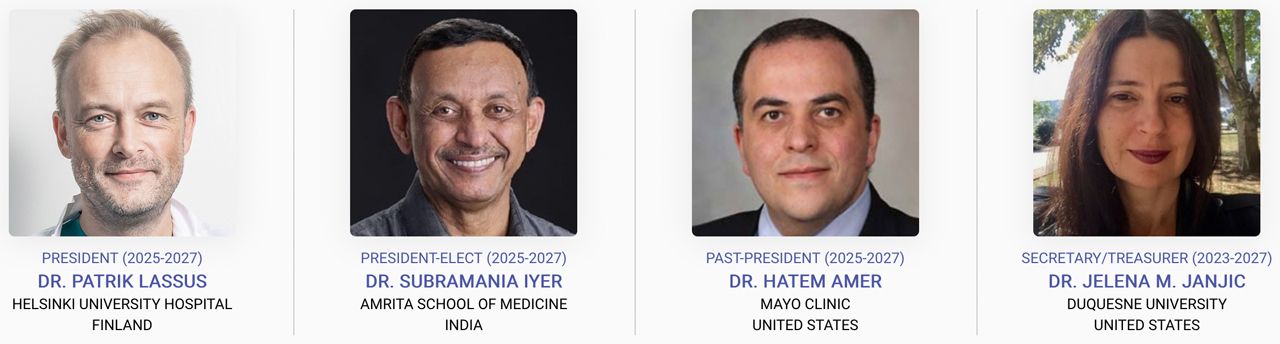
ISVCA has a council of 8 councilors in addition to President-elect, President, Past President, Secretary-Treasurer, and an additional ninth councilor being responsible for global clinical data. Our past president was Dr. Hatem Amer from Mayo Rochester, USA, the current president is Dr. Patrik Lassus from Helsinki, Finland, and President-elect is Dr. Subramania Iyer from Amrita school of Medicine, India. The council is elected to represent all continents and different fields of VCA.

Meetings

ISVCA organizes a scientific congress in every two years. The previous meeting was in Helsinki in June 2025 and hosted 109 attendees. Before that, meetings were held in Los Angeles, USA, Cancun, Mexico, and New Delhi, India. The very first meeting for pioneers involved in the field was held already in 1993 in Louisville, USA
SAVE THE DATE - ISVCA 2027 - May 2-5 - Taipei, Taiwan

Webinars

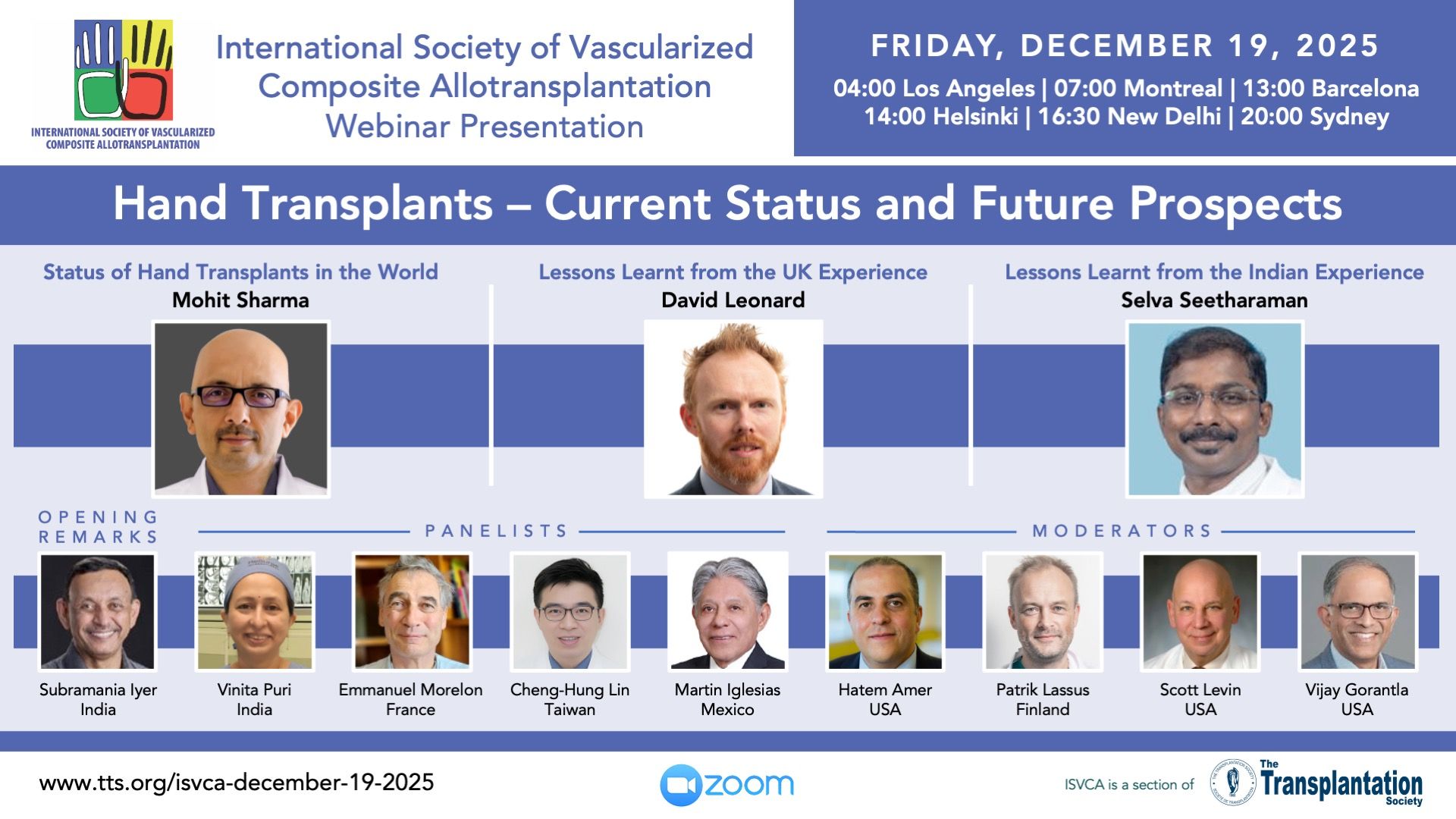
ISVCA holds two TTS webinars per year. The previous webinar on face transplantation was October 20th 2025 and the next webinar will be Friday 19th December, 2025, 7 AM EST.

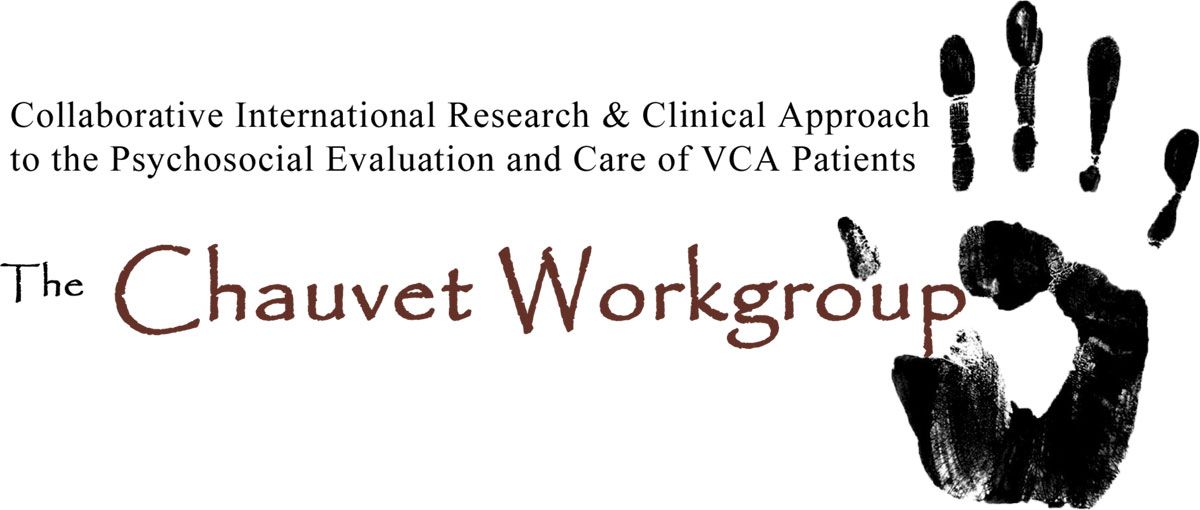
The Chauvet Workgroup

ISVCA works in close collaboration with the Chauvet work group. Many of the active participants in ISVCA and the field also participate in the Chauvet Workgroup. The Chauvet concept is to emphasize:

  • Importance of the psychological/psychiatric evaluation in VCA
  • Psychological impact of VCA
  • Creation of common protocols for evaluation, follow-up, and supportive treatment
  • The Chauvet workgroup addresses psychosocial domains and provides an interdisciplinary platform for the development of psychosocial guidelines and a multicenter research collaboration
  • All teams involved in VCA are invited to collaborate

The Chauvet Workgroup has organized three meetings of which the latest in 2025 was together with the ISVCA biennial meeting in Helsinki.

Membership

Why Join ISVCA?
Excellence in education, research, and advocacy of vascularized composite allotransplantation.

Full members shall be physicians, surgeons, scientists, immunologists, or other specialists, who are interested in the field of VCA. Full Members are eligible to vote in ISVCA affairs and policy decisions. Full membership shall be gained by submission of a membership that is approved by the Council of the Society. Trainee Members shall include individuals enrolled in pre or postdoctoral training programs relevant to the science or clinical practice of VCA.

Benefits include...

  • Reduced Rate for Biennial Meetings
  • Reduced subscription rates to journals
  • Access to the IRHCTT Registry
  • Discount on TTS Membership

...and more!


In Case You Missed It...


In the News


Social

Contact

Staff Directory
+1-514-874-1717
info@tts.org

Address

The Transplantation Society
International Headquarters
740 Notre-Dame Ouest
Suite 1245
Montréal, QC, H3C 3X6
Canada

Используйте Вавада казино для игры с бонусом — активируйте промокод и начните выигрывать уже сегодня!