

Special ISVCA Feature
As part of the on-going collaboration between TTS and our official Sections, and in order to provide TTS members with an update on areas of the field represented by TTS Sections, the following article has been submitted by the International Society of Vascularized Composite Allotransplantation.

Mission
Excellence in education, research, and advocacy of vascularized composite allotransplantation.
Objectives
- To promote and encourage research and training relevant to the transplantation of vascularized peripheral tissues as a functional unit (a.k.a. composite tissue allotransplantation (CTA) or vascularized composite allografts (VCA)).
- To provide a scientific forum for the exchange and discussion of clinical and experimental results and experiences relevant to transplantation of composite tissue allotransplantation or vascularized composite allotransplantation.
- To promote and encourage contacts between clinical and experimental researchers from different institutions all pertinent disciplines irrespective of their country of origin.
- To promote and facilitate support in the planning and execution of collaborative studies, and pursue collaboration with other associations, societies, and/or organizations serving similar purposes.
Council
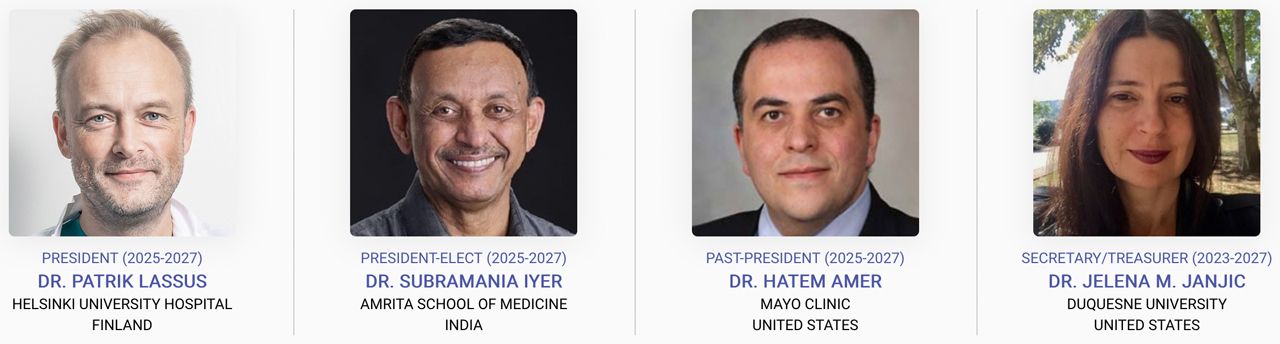
ISVCA has a council of 8 councilors in addition to President-elect, President, Past President, Secretary-Treasurer, and an additional ninth councilor being responsible for global clinical data. Our past president was Dr. Hatem Amer from Mayo Rochester, USA, the current president is Dr. Patrik Lassus from Helsinki, Finland, and President-elect is Dr. Subramania Iyer from Amrita school of Medicine, India. The council is elected to represent all continents and different fields of VCA.
Meetings
ISVCA organizes a scientific congress in every two years. The previous meeting was in Helsinki in June 2025 and hosted 109 attendees. Before that, meetings were held in Los Angeles, USA, Cancun, Mexico, and New Delhi, India. The very first meeting for pioneers involved in the field was held already in 1993 in Louisville, USA

Webinars
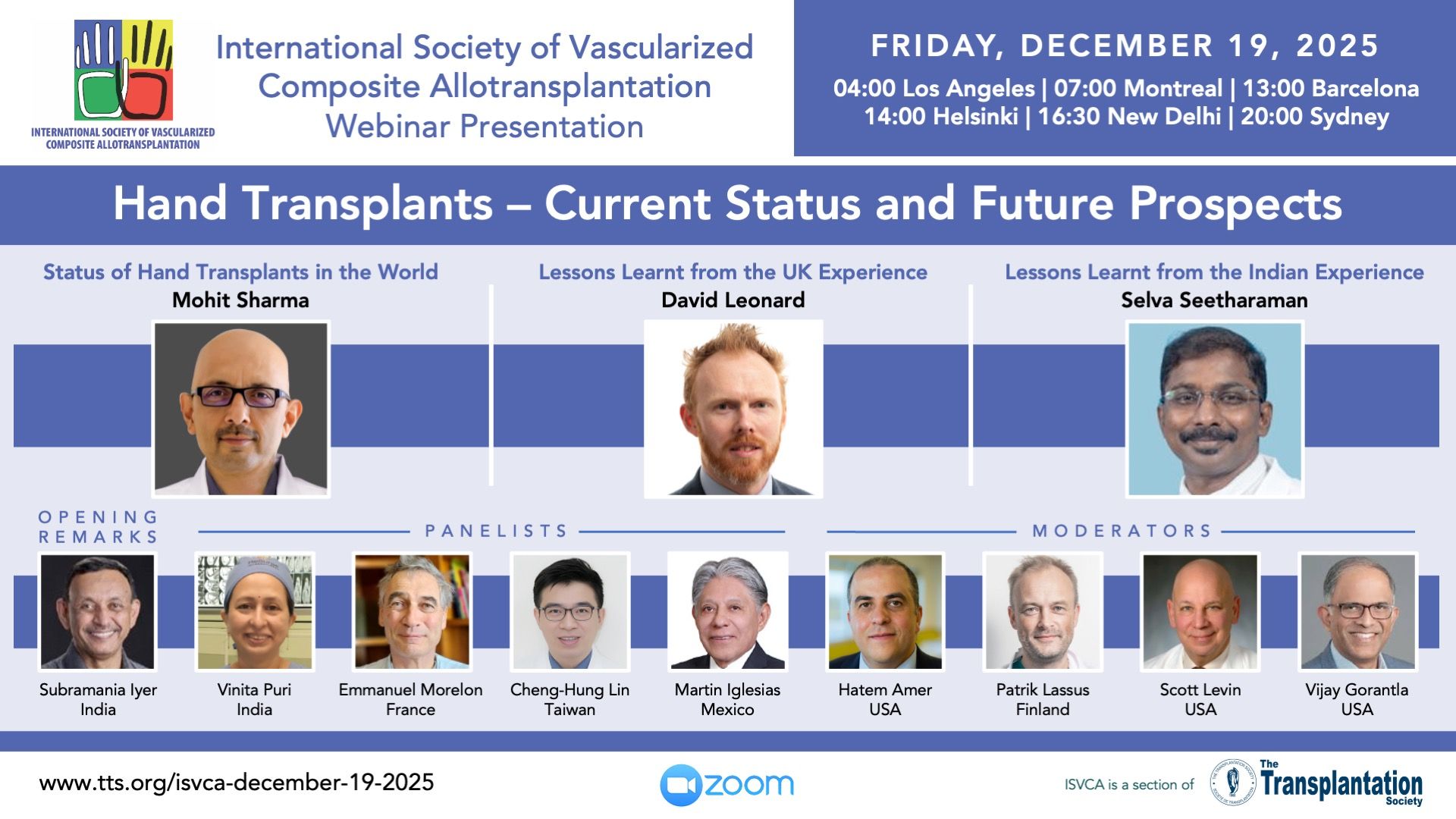
ISVCA holds two TTS webinars per year. The previous webinar on face transplantation was October 20th 2025 and the next webinar will be Friday 19th December, 2025, 7 AM EST.
The Chauvet Workgroup
ISVCA works in close collaboration with the Chauvet work group. Many of the active participants in ISVCA and the field also participate in the Chauvet Workgroup. The Chauvet concept is to emphasize:
- Importance of the psychological/psychiatric evaluation in VCA
- Psychological impact of VCA
- Creation of common protocols for evaluation, follow-up, and supportive treatment
- The Chauvet workgroup addresses psychosocial domains and provides an interdisciplinary platform for the development of psychosocial guidelines and a multicenter research collaboration
- All teams involved in VCA are invited to collaborate
The Chauvet Workgroup has organized three meetings of which the latest in 2025 was together with the ISVCA biennial meeting in Helsinki.
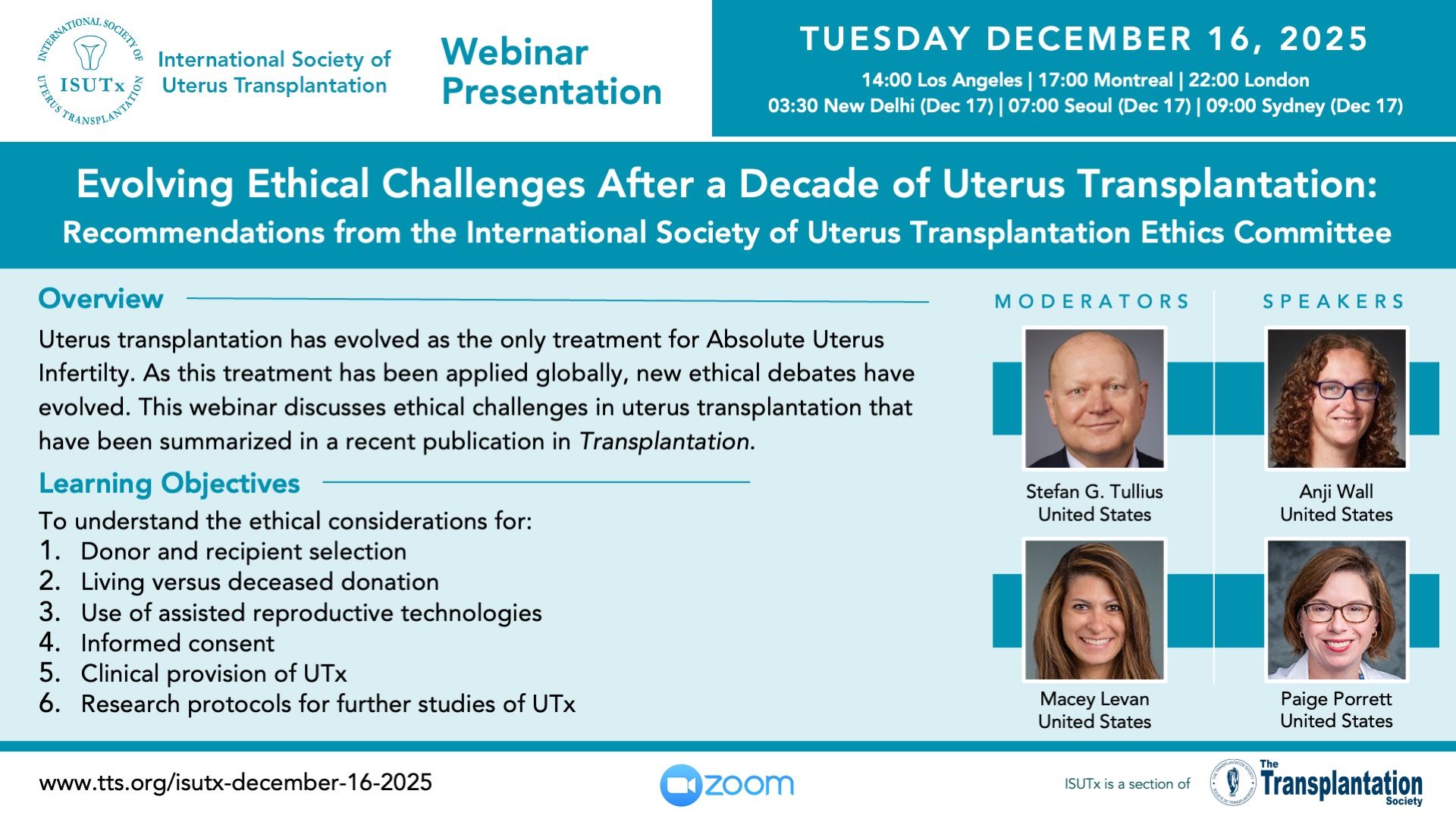
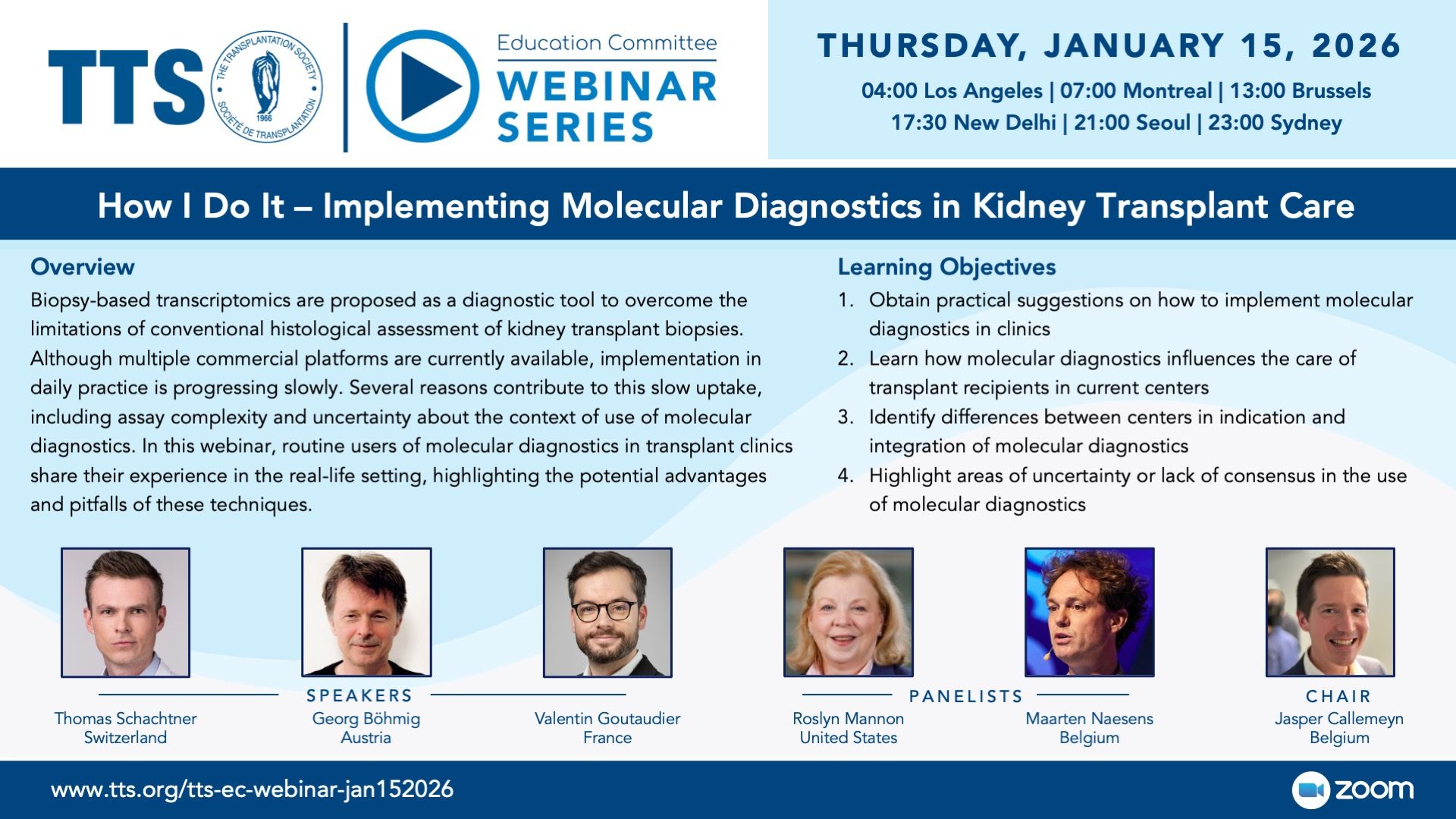
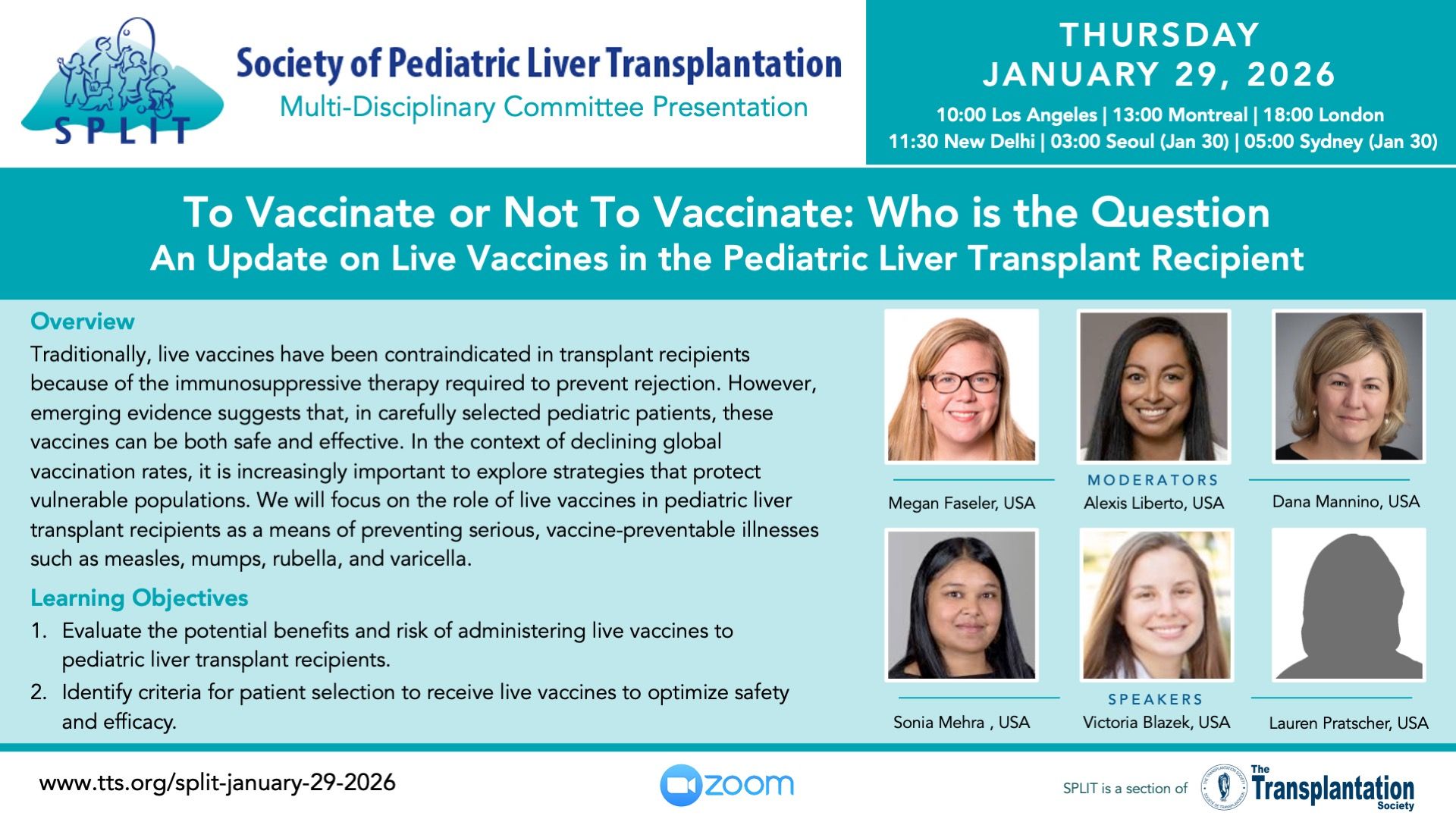
Upcoming Webinar Presentations
Contact
Address
The Transplantation Society
International Headquarters
740 Notre-Dame Ouest
Suite 1245
Montréal, QC, H3C 3X6
Canada
Используйте Вавада казино для игры с бонусом — активируйте промокод и начните выигрывать уже сегодня!