

Last Chance! Call for Nominations Reminder - DEADLINE: FEBRUARY 18, 2026
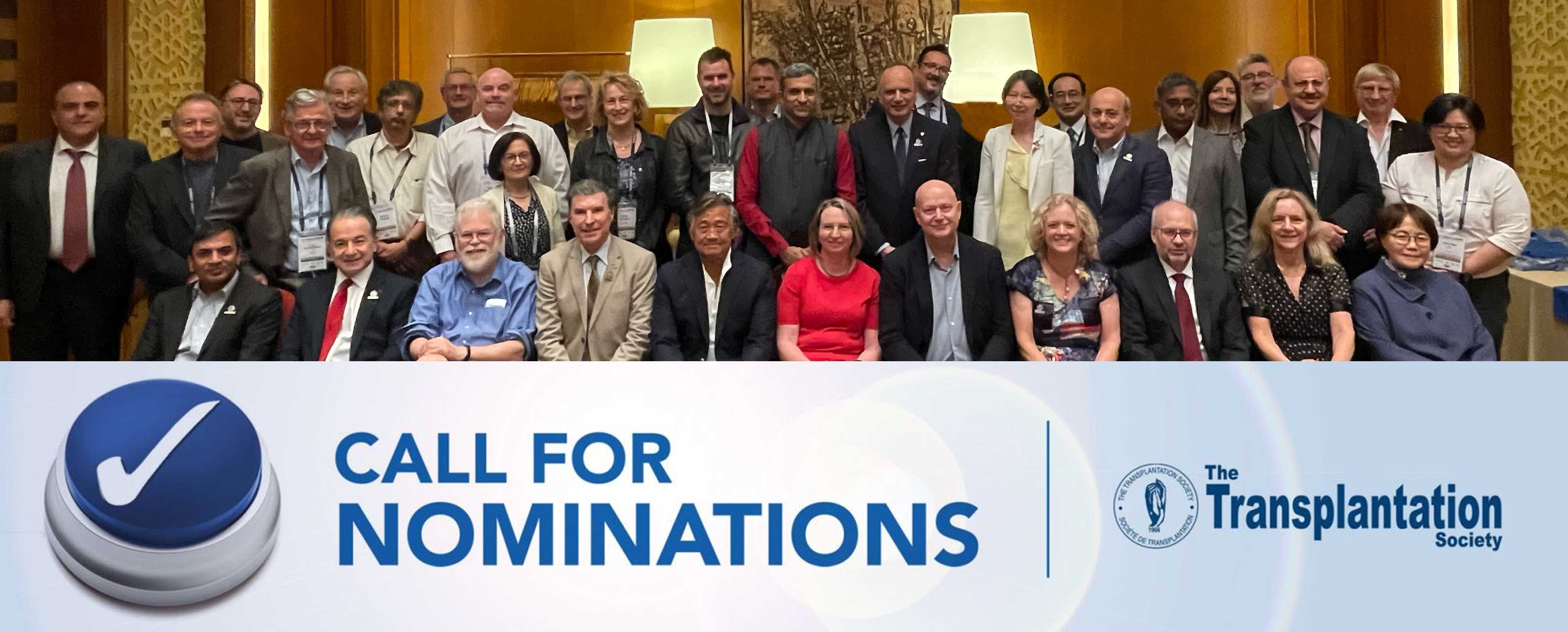
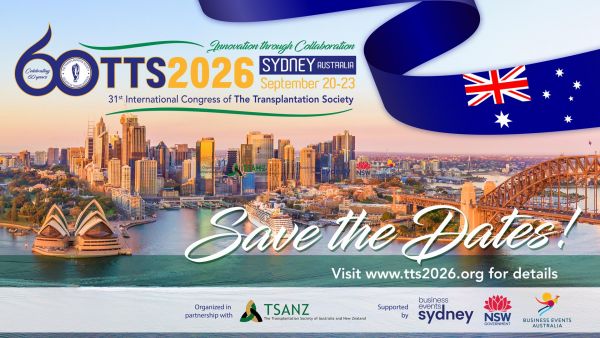
In 2026, three Officer positions will be vacated and 5 of the 14 Councilors-at-large representing the Regions will be changing. The elections will take place in early 2026 and those elected will assume their new roles starting at the 2026 TTS Congress in Sydney.
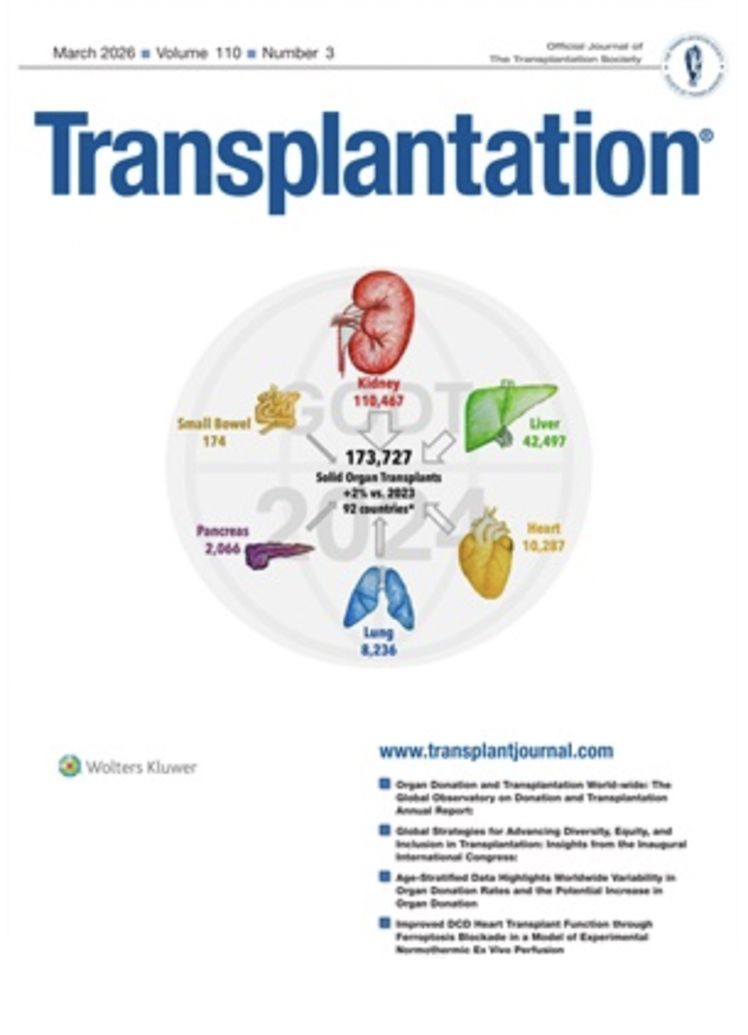
Just Released - Transplantation Journal - March 2026
TTS 2026 - Abstract Submission - 30 days to the Deadline!

Transplantation - Behind the Paper with Friederike Martin, Beatriz Domínguez-Gil, and Stefan Tullius

INTRODUCTION
In 2024, a record 173,727 solid organ transplants were performed worldwide — the highest number ever reported to the Global Observatory on Donation and Transplantation (GODT). This represents a 2% increase from 2023, largely driven by growth in deceased donation, including continued expansion of donation after circulatory determination of death (DCD), which accounted for 28% of all deceased donations.
Transplantation Journal Highlights

Transplantation Journal - Social Media Content
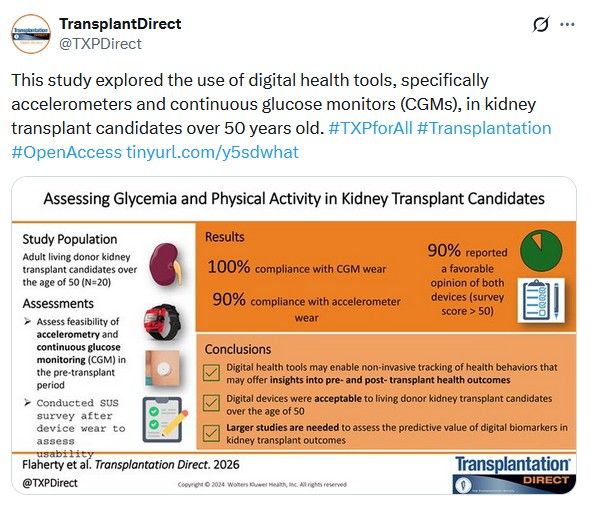
Transplantation Direct - Social Media Content
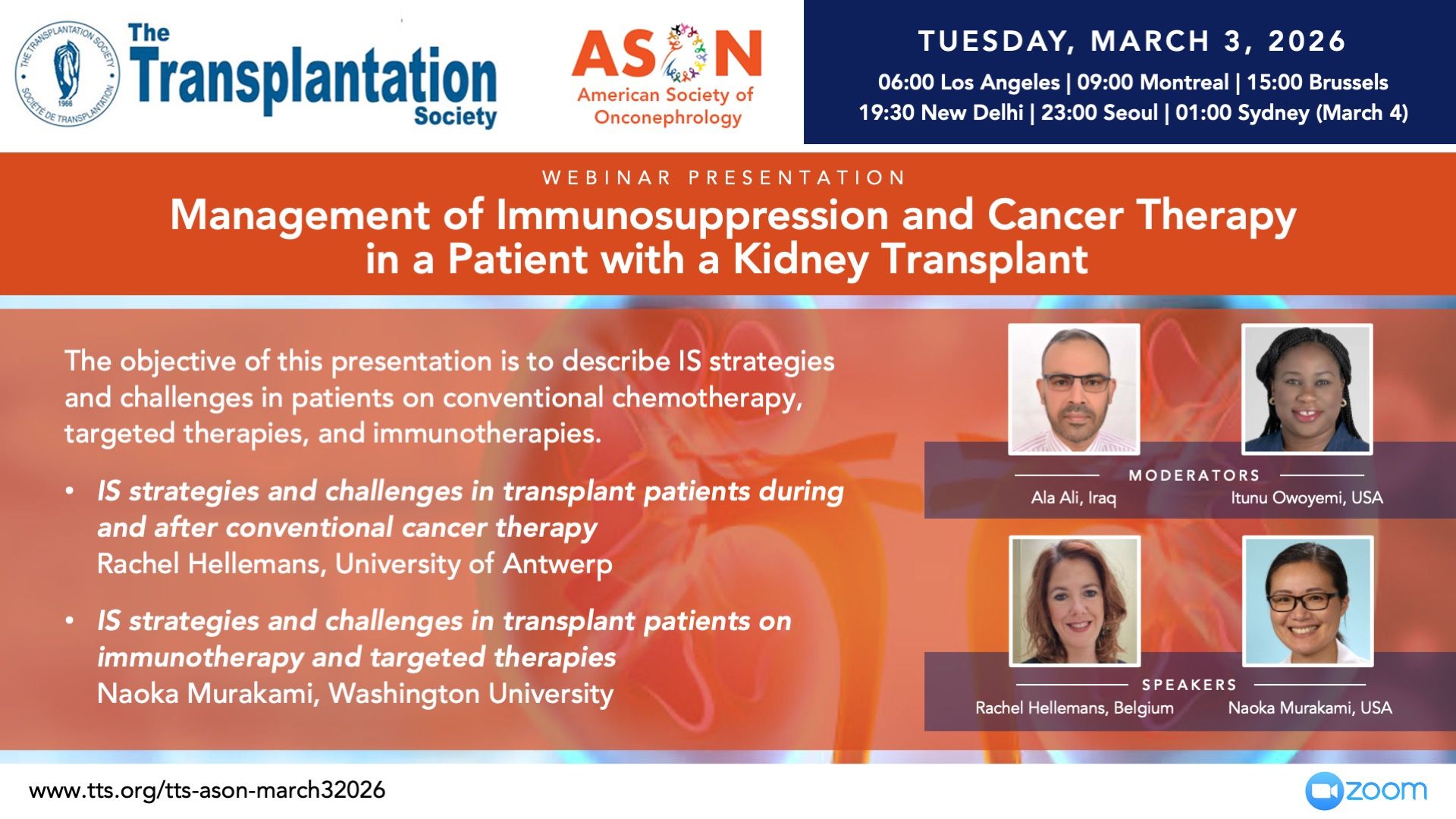
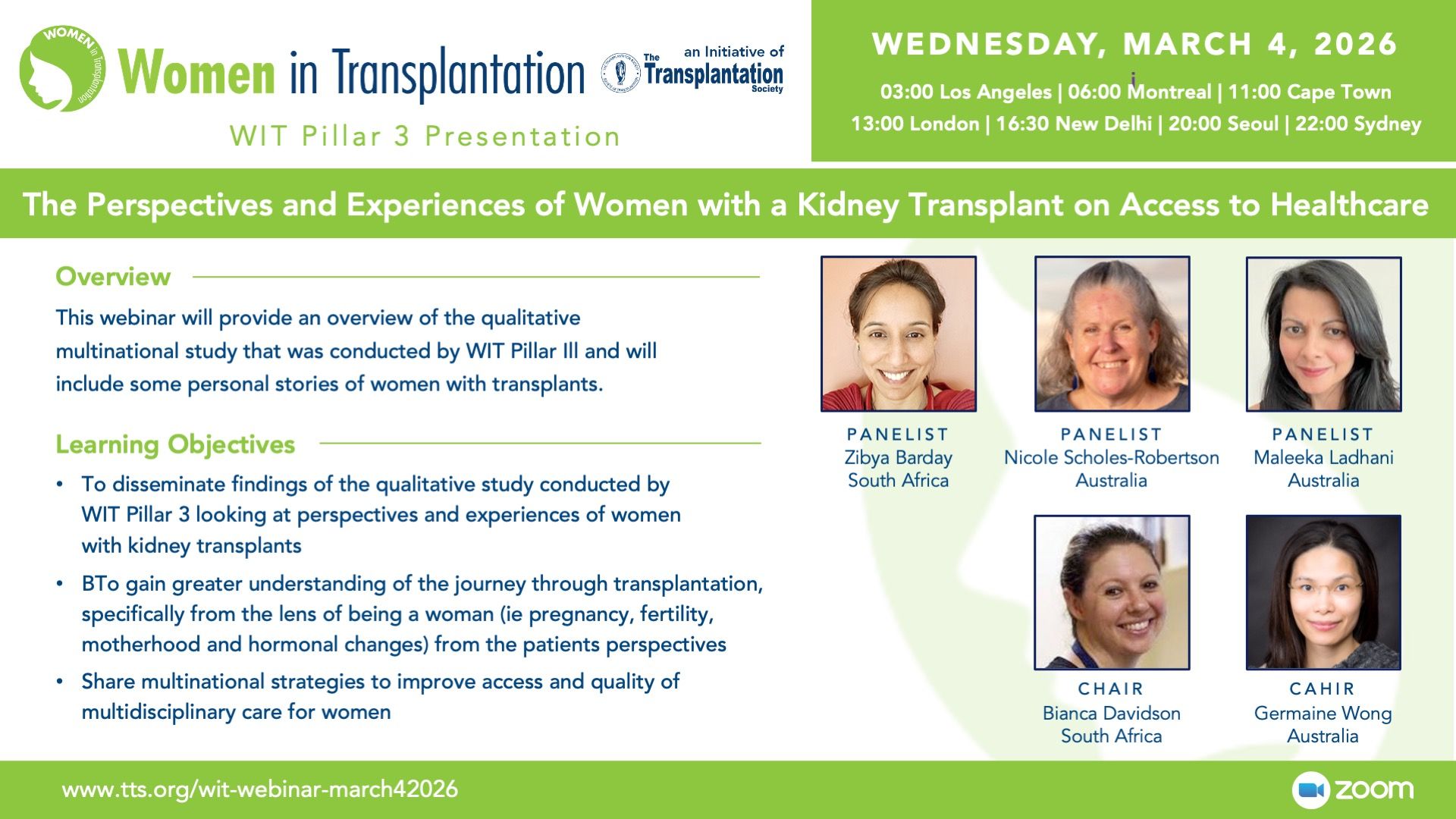
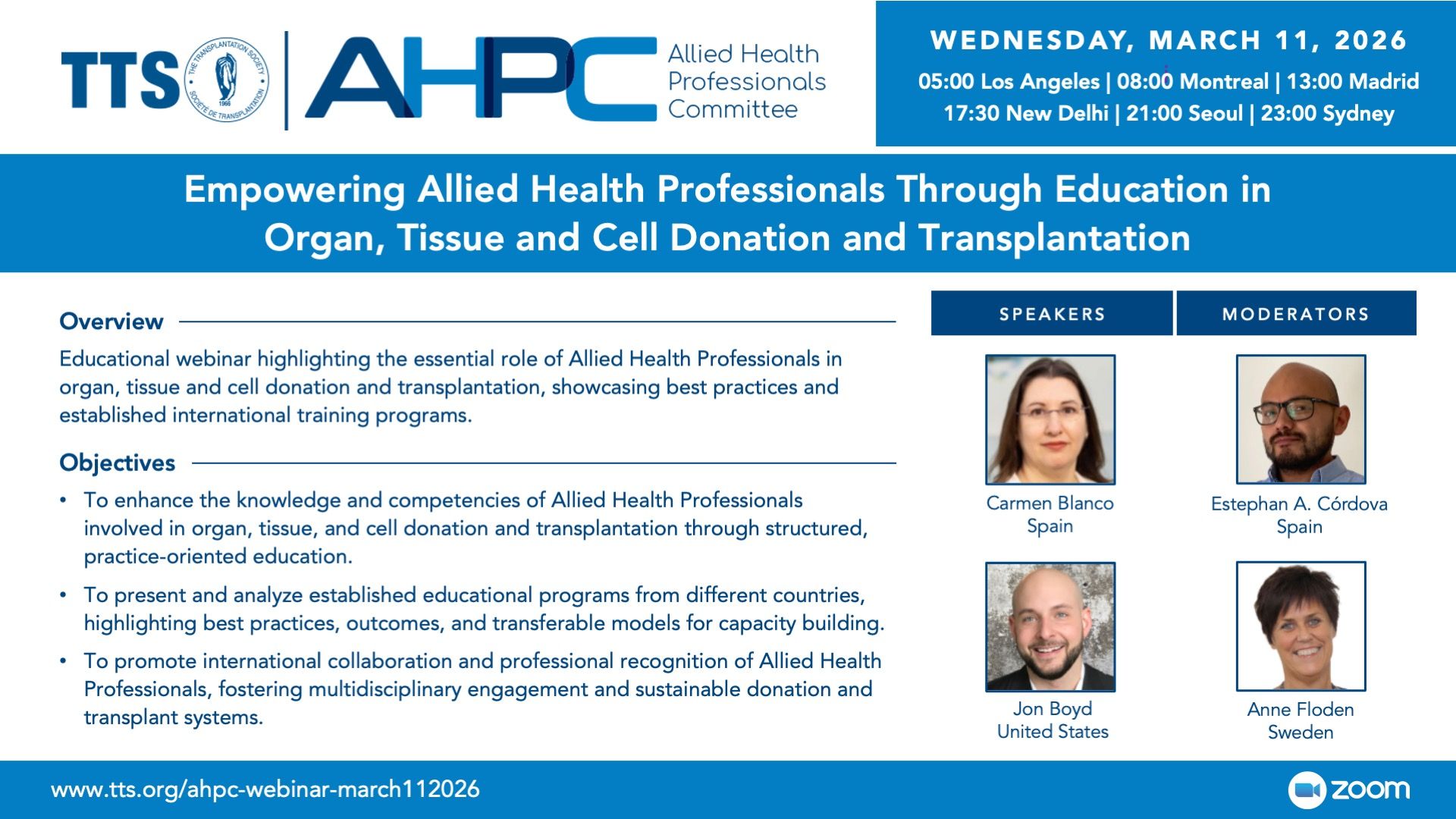
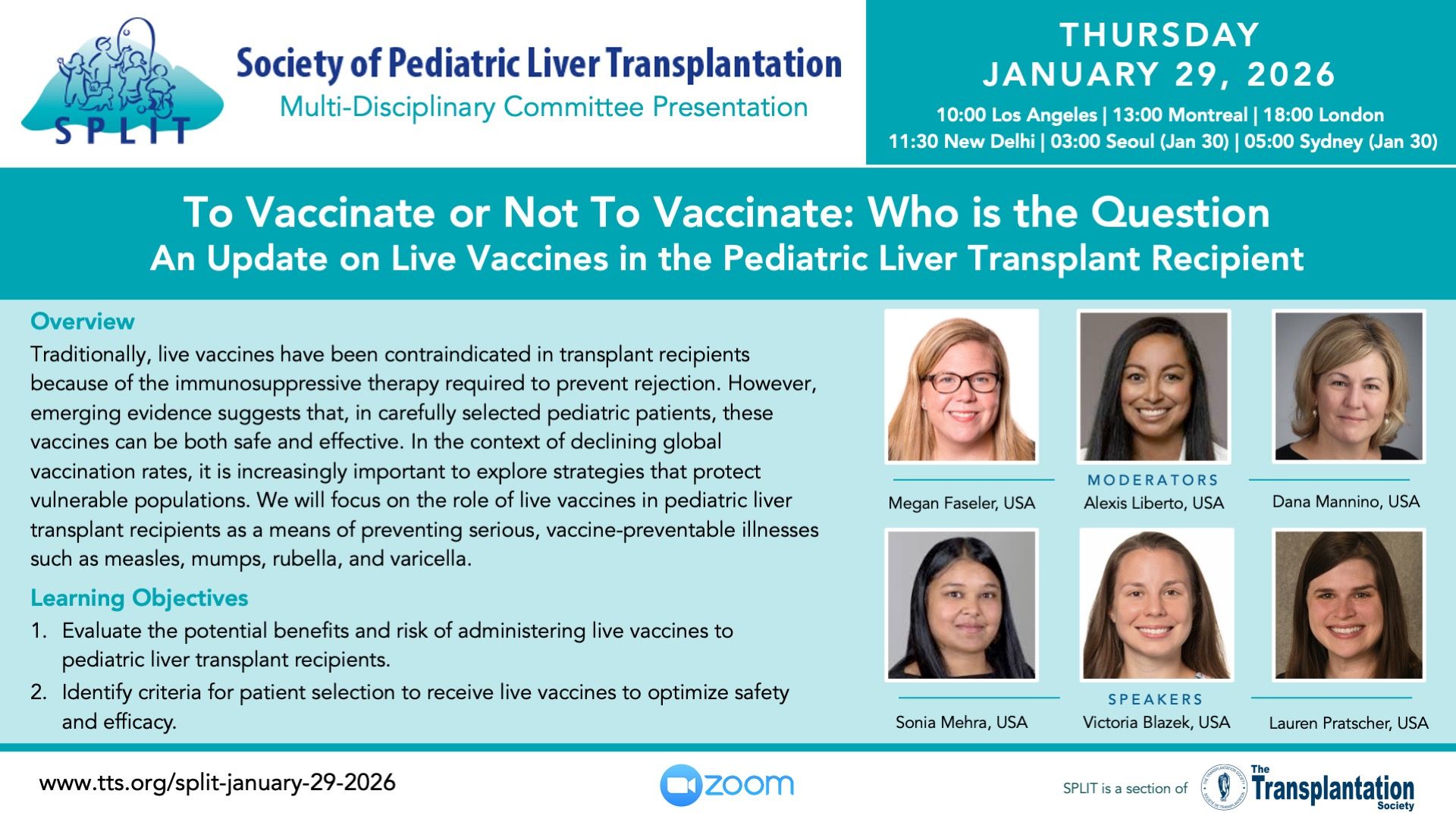
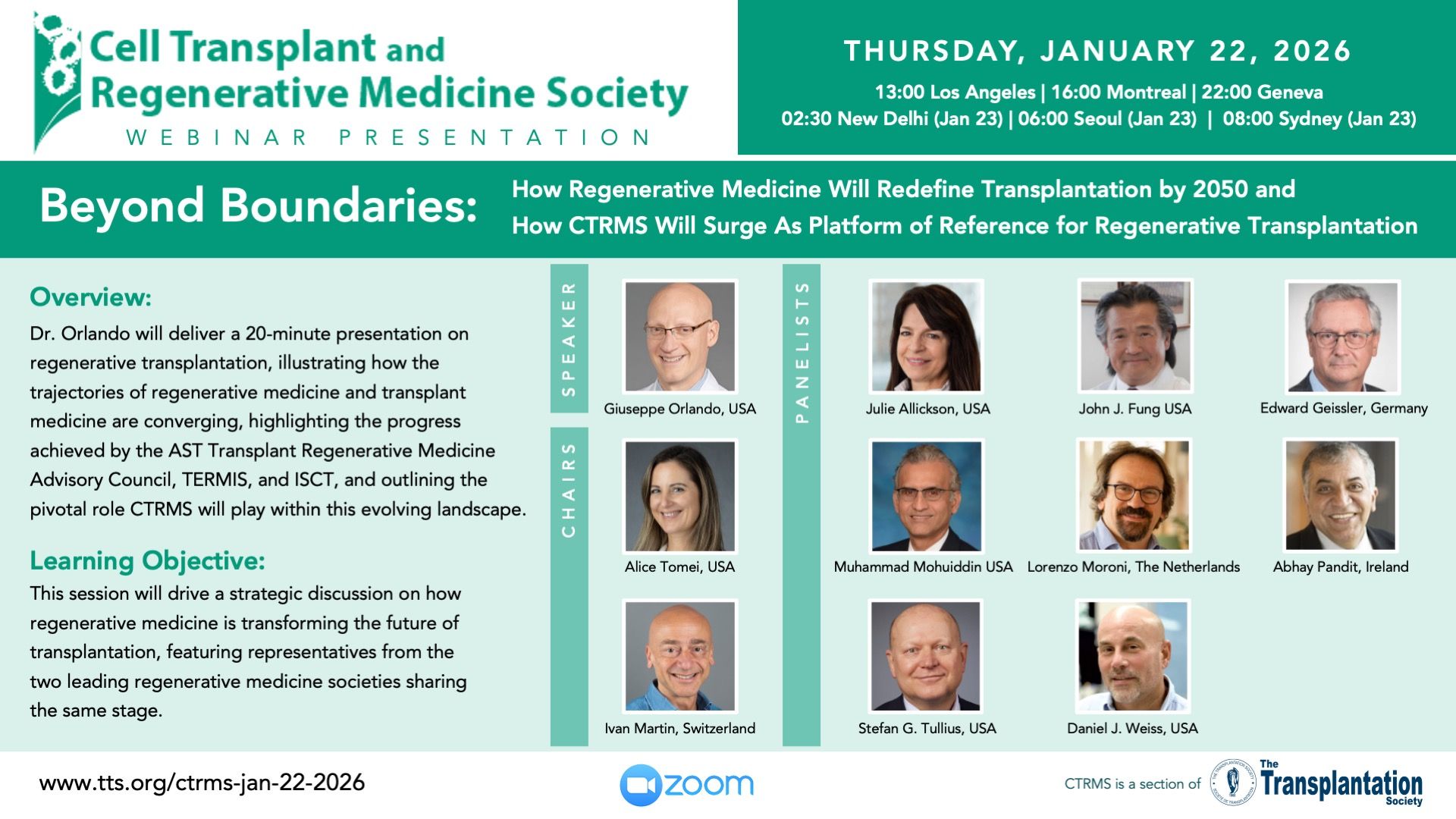
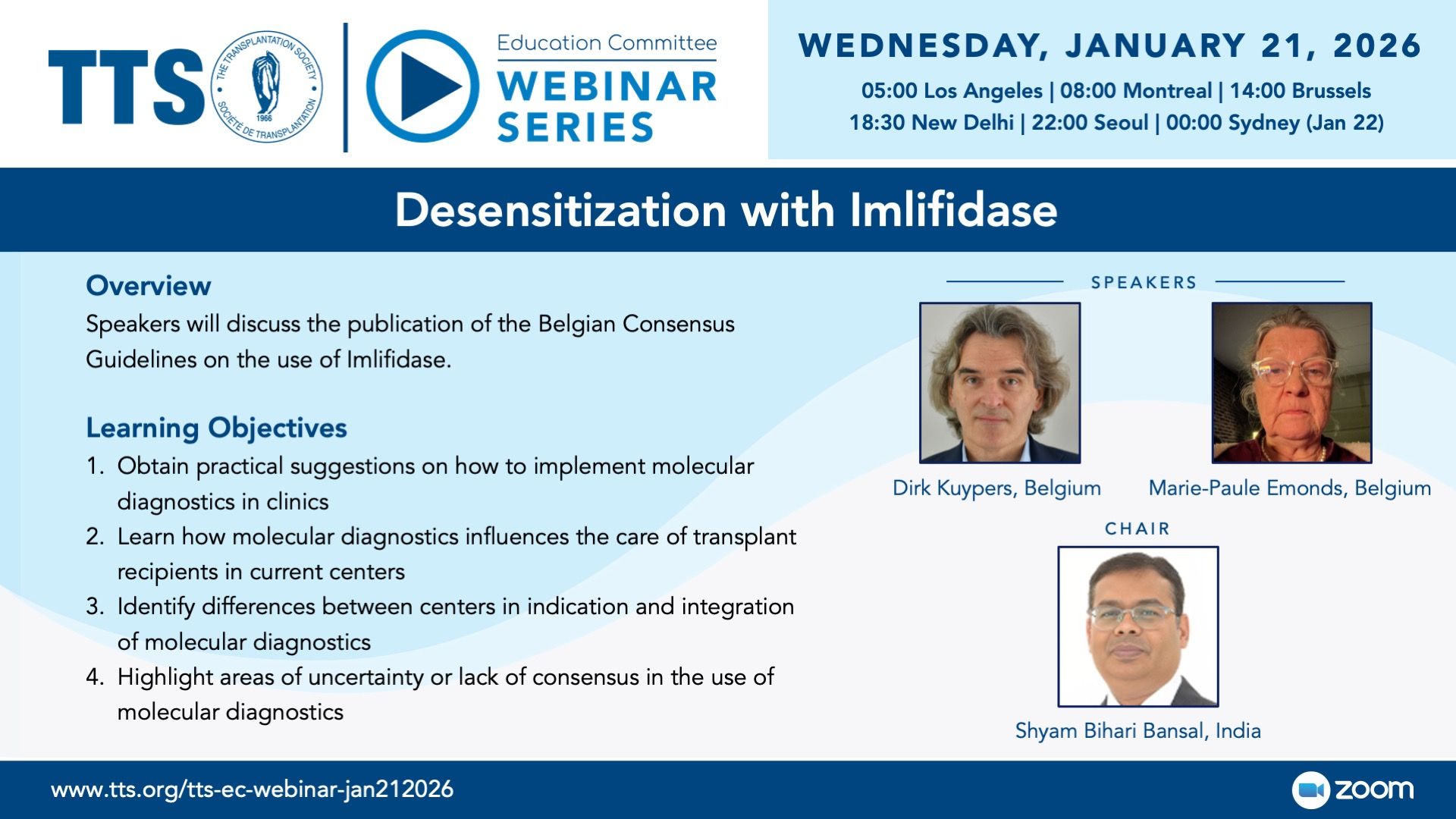
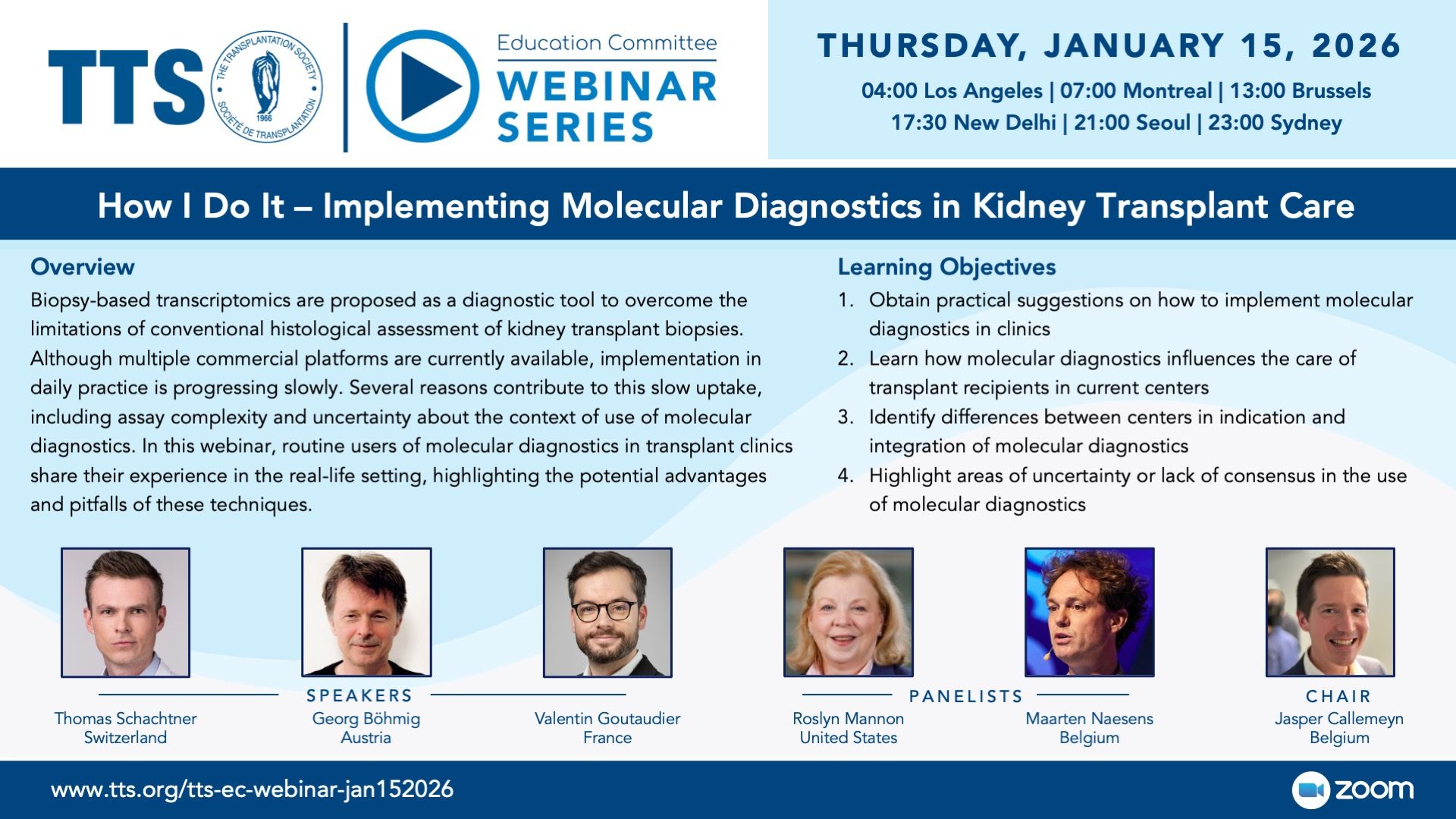
Upcoming Webinar Presentations
Research Grants Program - Notices of Intent

Notice of Intent Deadline: March 30, 2026
Full Application Deadline: May 1, 2026

To further promote equity and global research capacity, the top-ranked applicant from a low- or middle-income country (LMIC) who is not selected for a main Research Grant will be awarded a TTS LMIC Bridge Grant. This program is designed to strengthen proposals for future funding success for researchers in these regions.
As part of this initiative, recipients will also benefit from personalized mentorship through the TTS Research Mentor Program. Each Bridge Grant awardee will be paired with an experienced Senior TTS mentor from an established research program.

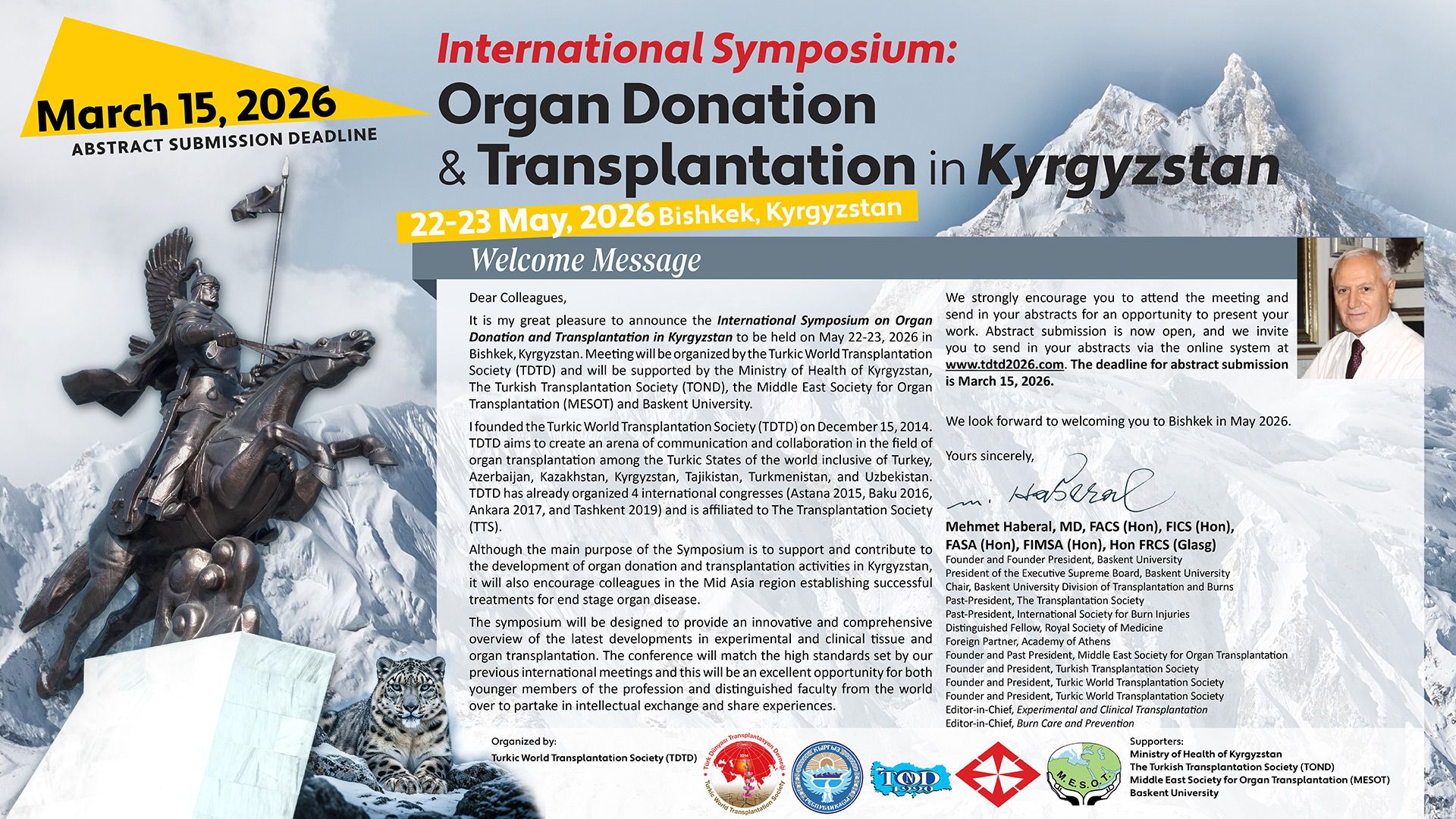
International Symposium on Organ Donation and Transplantation in Kyrgyzstan (TDTD 2026)

Contact
Address
The Transplantation Society
International Headquarters
740 Notre-Dame Ouest
Suite 1245
Montréal, QC, H3C 3X6
Canada
Используйте Вавада казино для игры с бонусом — активируйте промокод и начните выигрывать уже сегодня!