

Just Released - Transplantation Direct - April 2026
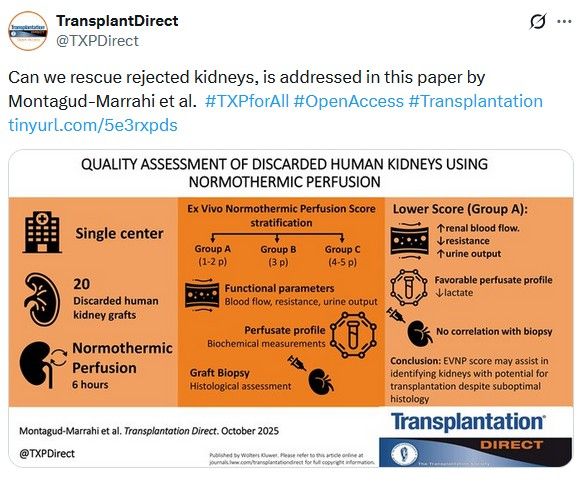
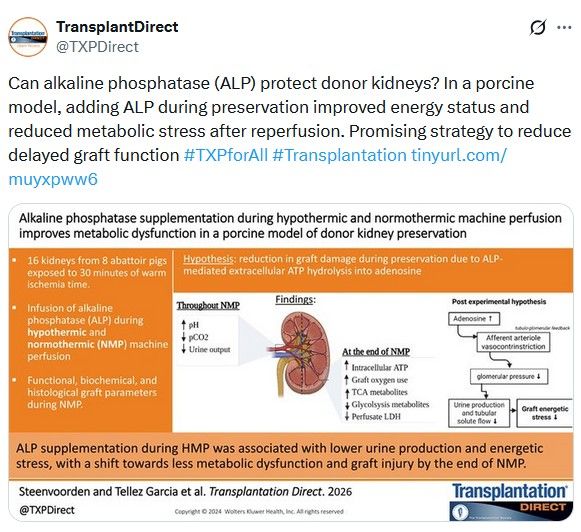
We are pleased to introduce the April issue of Transplantation Direct, covering interesting topics across the field. Starting with kidney transplantation, we have a report from South Africa analyzing how access to dialysis and transplantation in low-mid income countries critically affects communities. A more diagnostic study looks at correlations in kidney allograft gene expression data in relation to histological phenotypes. In liver transplantation, there is a highly relevant retrospective investigation looking at post-transplant impacts in patients taking, or not taking, GLP1 receptor agonists; another article compiles a large series of surgical cases where calcified portal vein thromboses were successfully removed before portal vein anastomosis during transplantation. Dialysis is again the topic in a lung transplantation article, where investigators use risk factor planning and control to reduce the need for post-transplant kidney replacement therapy. In pediatric heart transplantation, a strategy is proposed for reducing the need for invasive heart rejection monitoring in pediatric patients. For those interested in pancreatic islet transplantation, we have a report comparing islet isolates from DBD versus DCD donors. This issue additionally features several articles on organ preservation techniques, including experimental porcine studies on the effects of varying hemoglobin levels during ex vivo heart perfusion, on the use of red blood cell-stabilizing agents to reduce hemolysis during normothermic machine perfusion of livers, and on the use of alkaline phosphatase supplementation during kidney machine perfusion performed at different temperatures. Also related to organ donation and preservation, we have an article on factors guiding in-transit and back-to-base machine perfusion strategies for liver transplantation. On the topic of infectious diseases in transplant recipients, two randomized trials are being reported on; one where IVIg was tested to treat BK polyomavirus infections, and another where IVIg was used to treat infections in patients with secondary antibody deficiencies. Indeed, we hope that there is something for you in this Transplantation Direct issue – please visit our website for full access to these and other articles.
Behind the Paper Podcast
Travel After Transplant: Demographics, Travel Trends, and Vaccination Practices of US Immunocompromised Travelers
TTS 2026 Elections Are Open
(Deadline to vote - May 11, 2026)

Candidates
(one vote in this category)
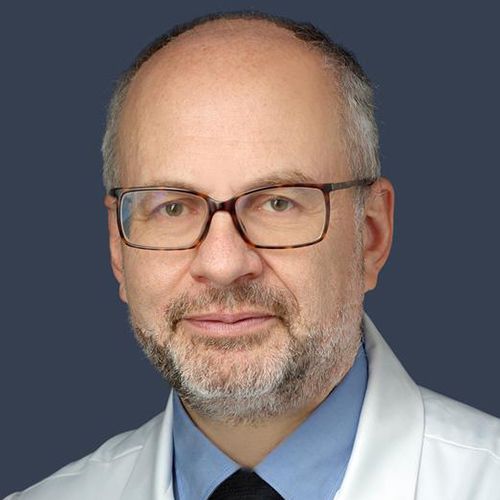
Gabriel E. Gondolesi
Dr. Gabriel E. Gondolesi is an internationally recognized transplant surgeon, scientist, and academic leader. Born in Argentina, he graduated from the National University of La Plata. After completing his residency in General Surgery, he pursued fellowship training in liver transplantation surgery at the Favaloro Foundation in Buenos Aires. In 1999, he continued his training at Mount Sinai Hospital in New York, where he later became Head of Intestinal Transplantation.
In 2006, Dr. Gondolesi returned to Argentina to establish the first comprehensive intestinal failure and transplantation program in Latin America, while expanding the liver and pancreas transplant programs at the Favaloro Foundation. In 2024, he joined the MedStar Georgetown Transplantation Institute, where he introduced innovative approaches including multivisceral and domino liver transplantation, liver split/reduction during normothermic machine perfusion, and the use of DCD+NRP liver and liver–pancreas grafts from pediatric donors.
At The Transplantation Society (TTS) for 25 years, he has served as Latin American Councillor, Treasurer, and Vice-President. He has contributed to global initiatives addressing organ trafficking and transplant tourism through the World Health Organization and the Pontifical Academy of Sciences (2017). He promoted regional collaboration through STALYC (2018) and co-chaired the first TTS conference held in Buenos Aires in 2022. He also served in the International Intestinal Transplant Association (IIRTA) as Councillor, Secretary-Treasurer, and President, establishing 17 international chapters, founding the Intestinal Failure Journal, and strengthening its global identity.
Dr. Gondolesi has trained more than 70 professionals, directed 11 doctoral theses, and authored over 200 manuscripts, 18 book chapters, and the book Transcending. As a candidate for TTS President-Elect, he is committed to strengthening international cooperations to expand donation and transplantation worldwide.
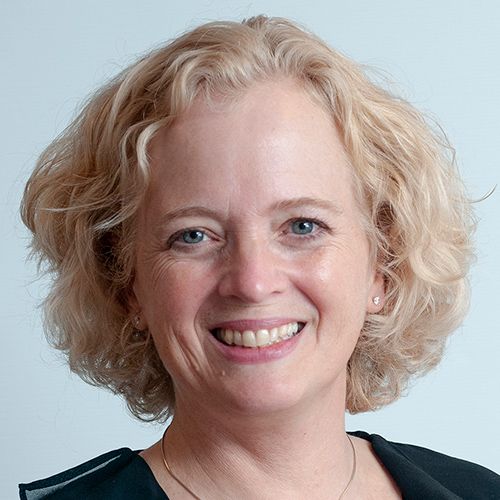
Camille N. Kotton
Camille Nelson Kotton is Clinical Director of the Transplant and Immunocompromised Host Infectious Diseases Program at Massachusetts General Hospital and Associate Professor of Medicine, Harvard Medical School. Having dedicated 20 years to leadership roles within TTS, she has made sustained, high-impact contributions that have strengthened the Society’s global reach, educational mission, and scientific leadership. She served as President of the TTS Transplant Infectious Disease Section (2007–2014), TTS Councilor (2020–2024), and Secretary of the Executive Committee (2024–present), while contributing to the TTS Fundraising Committee and co-chairing the TTS Education Committee (2022-).
Dr. Kotton has led multiple landmark, TTS-supported international consensus guidelines that define standards of care across the globe, including four editions of the International Consensus Guidelines on Cytomegalovirus Management after Solid Organ Transplantation (2008, 2012, 2017, 2024) and the Second International Consensus Guidelines on the Management of BK Polyomavirus in Kidney Transplantation (2024). She has also advanced TTS’s international mission through regional initiatives, developing major guidelines for Latin America (2018) and South Asia (2023). Her editorial leadership at Transplantation further amplifies TTS scholarship and education.
Widely respected for her collaborative leadership style, strategic vision, mentorship, and ability to unite colleagues across disciplines and regions, Dr. Kotton has a proven record of delivering meaningful impact for TTS members. She offers experience, energy, and a deep commitment to the Society’s mission. Her vision as President is to expand inclusive global member participation, foster the next generation of leaders, and strengthen TTS as the leading voice for transplantation worldwide.
(one vote in this category)
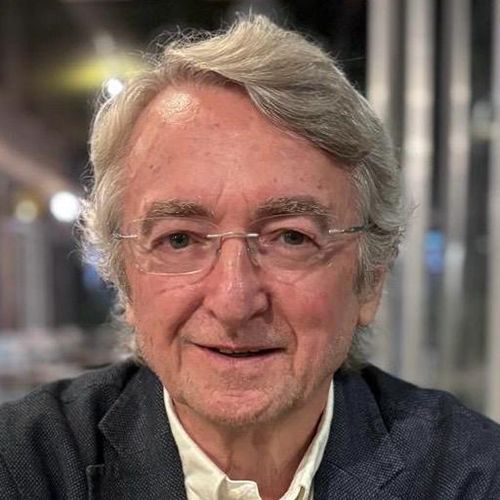
Marti Manyalich Vidal
Dr. Martí Manyalich graduated in Medicine from the University of Barcelona in 1977 and specialized in Anesthesiology, Resuscitation, and Pain Medicine. He obtained his PhD with honors and pursued further training in emergency medicine at the University of Paris Val-de-Marne, as well as in business administration at ESADE.
He played a key role in developing a leading emergency care team at Hospital Clínic of Barcelona and contributed to the creation of the Catalan Emergency Medical System. In 1985, as Transplant Coordinator, he increased organ donation rates by 400%.
In 1986, he pioneered uncontrolled donation after circulatory death (DCD), later contributing to advances such as normothermic regional perfusion and ex situ organ perfusion technologies, now applied across multiple organs. Today, donation activity in his region accounts for approximately 62% DCD and 38% DBD.
In 1991, he founded the Transplant Procurement Management (TPM) program, followed by the Transplant Service Foundation (TSF) in 1994, Europe’s first multi-tissue bank. He also contributed to the first university master’s program in donation and transplantation at the University of Barcelona, which has trained over 25,000 professionals from more than 100 countries.
He has led and contributed to several European projects (EQSTB, ETPOD, ODEQUS, EULID, ELIPSY, LIDOBS, EUDONORGAN), improving donation systems, quality, and training.
Dr. Manyalich has authored over 250 publications and held leadership roles including President of ISODP (2015–2017), Councilor of TTS (2018–2026), Chair of the TTS Committee (2020–2022), Vice President of EATB (1999–2003), and President of EDTCO (1997–2001). He has been a member of TTS since 1990.
His work focuses on strengthening global collaboration and expanding access to transplantation worldwide
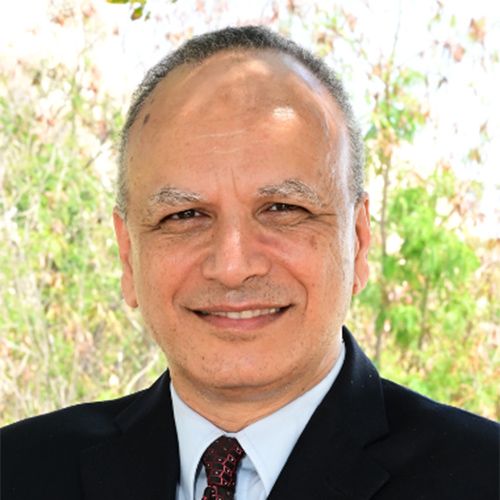
Medhat Askar
As a physician-scientist, I have devoted my career to a simple yet profound belief: a patient's access to life-saving transplantation should never depend on where they were born. This conviction has driven nearly two decades of service through The Transplantation Society (TTS) key leadership roles on the council and committees, currently Chair of the WHO Committee and Senior Treasurer, positions where scientific innovation, public policy, and global health diplomacy converge.
It has shaped my clinical work transforming innovation into impact, as Professor and Vice Chair of Pathology and Laboratory Medicine at Tufts Medicine, Director of Transplantation and Cell & Gene Therapy Programs at Baylor University Medical Center, Advisor for the Clinical Services at NMDP in USA and the Egyptian Center for Research and Regenerative Medicine. Through faculty roles at Texas A&M College of Medicine, Cornell Unievrsity and Barzan University College in Qatar, and previous leadership as Associate Vice President for Clinical Affairs at Qatar University, I help build global capacity and develop the next generation of leaders.
My leadership roles including membership of the WHO Expert Advisory Panel on Donation and Transplantation and across WBMT, the Royal College of Pathologists, alongside presidencies of ASHI and the American College of Histocompatibility and Immunogenetics and service on the UNOS Executive Committee, reflect a career dedicated to consensus-building and global engagement.
As Vice President, I will champion ambitious global initiatives, strengthen emerging transplant programs and empower TTS members to drive the next transformative era of transplantation science, practice and policy.
I will be honored to earn your support.
(running unopposed)
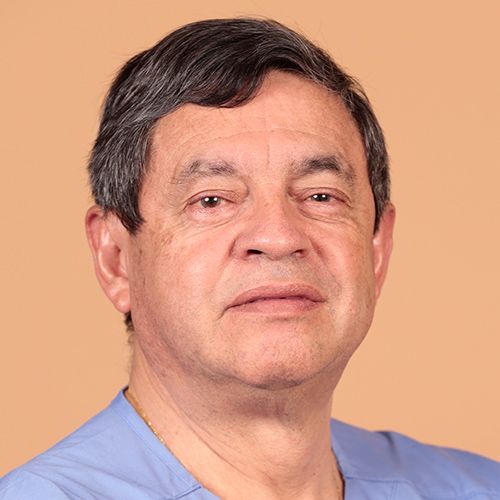
Alejandro Niño Murcia
Alejandro Nino Murcia, M.D., FACS, is a distinguished transplant surgeon at Colombiana de Trasplantes and a revered surgery professor at the Universidad del Rosario in Bogota, Colombia. With a medical degree from the Universidad del Rosario, a General Surgeon certification from the Universidad Militar Nueva Granada, and an honorary transplant surgeon from the University of Minnesota, Dr. Nino-Murcia has dedicated his career to advancing transplantation medicine. Additionally, he has been a fellow of the American College of Surgeons (ACS) since 2002 and holds a Master of Public Health. His public health studies have been and still are crucial for developing laws, helping programs grow and consolidating transplantation not only in Colombia but also in Latin America. In 2017, the Latin American and the Caribbean Transplant Association presented an award in Montevideo, Uruguay praising these efforts.
His leadership roles include serving as President and then Executive Director of the Colombian Transplant Association (ACTO) and as President of the Latin American and the Caribbean Transplant Association (STALYC). Furthermore, he has played pivotal roles in global initiatives, such as being a member of the board for four years and them co-chairing the Declaration of Istanbul Custodian Group (DICG) 2018-2022 and in 2022-2023 honorary member of the board and acting as the vice-chair of the World Transplant Congress TTS 2022 in Buenos Aires. Dr. Nino- Murcia's unwavering commitment to international transplantation and surgical education underscores his profound impact on the field. He was a Latin-American councilor for TTS.
Since 2025 his is the treasurer of the Colombian Academy of Medicine where he is not only a number member but also in the board of directors.
(running unopposed)
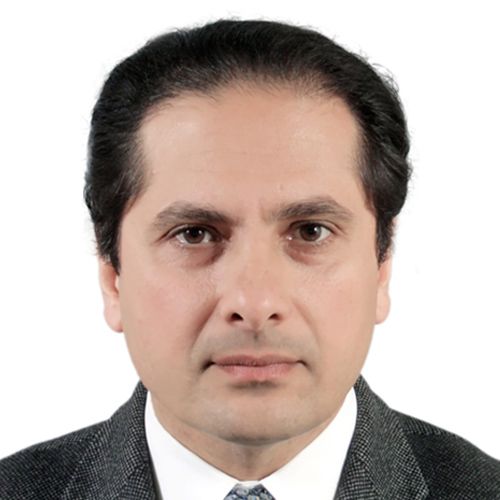
Refaat Kamel
Professor Refaat Kamel, M.B.B.Ch, F.R.C.S., F.I.C.S., M.D., Hon. EBT is a distinguished Egyptian transplant and hepatobiliary surgeon with extensive leadership in liver transplantation, surgical education, and international professional societies. A graduate of Ain Shams University, he completed his residency training at Ain Shams University Hospitals and King’s College Hospital in London. He earned his M.D. in Surgery from Ain Shams University in 1991 and became a Fellow of the Royal College of Surgeons of England and the International College of Surgeons the same year. He is also an Honorary Fellow of the European Board of Transplantation.
Professor Kamel has served as Chair of the Surgical Departments at Ain Shams University, Head of the Hepato-Bilio-Pancreatic Surgery Department, and Director of the National Liver Transplant Program. Since 2001, he has been Chief Liver Transplant Surgeon in three leading liver transplant programs in Egypt, with experience in more than 1,500 living donor liver transplant cases.
He has held numerous leadership roles, including President of the Middle East Society of Organ Transplantation, President of the Egyptian Society of Organ Transplantation, President of the Egyptian Section of the International College of Surgeons, and President and Co-founder of the Egyptian French Medical Association. He also served as a TTS Councilor and contributed to national and international efforts on organ donation law, communication, and the Istanbul Declaration on organ trafficking and transplant tourism.
Professor Kamel has published more than 150 papers in local and international journals and has contributed to international books on living donor liver transplantation.
(one vote in this category)
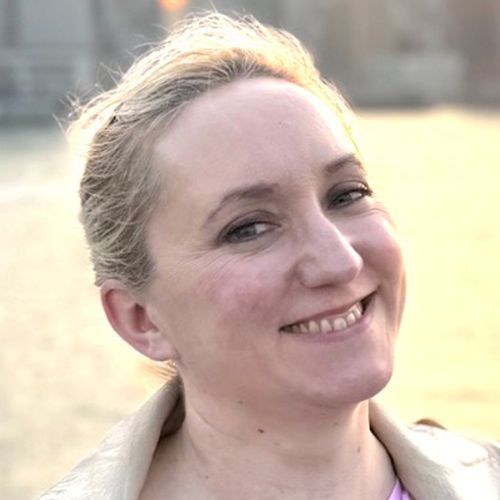
Zeljka Gavranovic
Zeljka Gavranovic is a hospital transplant coordinator and senior ICU consultant in Sestre Milosrdnice University Hospital Center in Zagreb, Croatia, since 2010, and also currently a member of Board of EDTCO - ESOT. Her main interests are organ donation, education, quality and establishing donation systems internationally. For many years she has been working in improving organ donation and transplantation system in Croatia by being a member of different working groups for establishing policies, as well as being a lecturer at national educational courses for transplant coordinators in Croatia. She has also been a lecturer and organ donation expert at many international educational courses for transplant coordinators. Also worked as organ donation expert in different programs and projects for establishing and improving programs of deceased organ donation worldwide. Expert in multiple TAIEX workshops on organ donation in Croatia, Bosnia and Herzegovina, Serbia, Montenegro and Barbados. Member of the drafting group for the elaboration of the 6th, 8th, 9th and 10th edition of Guide to the quality and safety of organs for transplantation issued by European Directorate for Quality of Medicine (EDQM), member of the Technical Working Group of Eurotransplant (with the purpose of harmonisation of classification of language donor information (COLD) and all other donor information). Expert in different international projects regarding organ donation and transplantation (Odissea Project (Erasmus + project - Organ Donation Innovative Strategies for Southeast Asia), ODEQUS Project (Organ Donation European Quality System). Passed UEMS-CETC exam in transplant coordination in 2019.
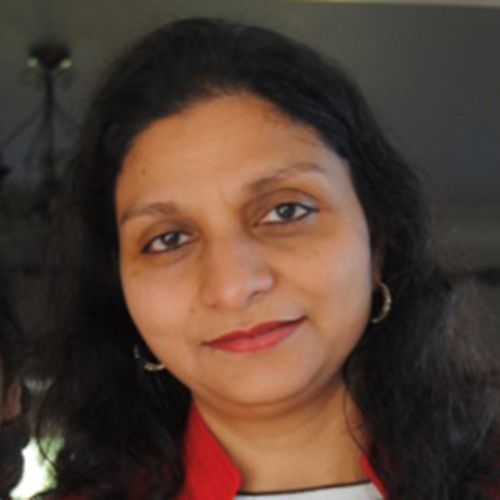
Nithya Santhana Krishnan
Professor Krishnan is a physician with a national and international profile in various clinical, research and educational areas in nephrology and transplantation. She is leadership trained, including the Harvard Leading Innovations in Health Care & Education program, and has over 300 peer-reviewed academic outputs. Her main research interests include antibody incompatible transplantation, AI prediction models in transplantation, long term outcomes of transplantation, live donation, nonadherence in young adults and health inequalities. She is particularly passionate about helping women around the world, to break the glass ceilings and fly off from glass cliffs.
As Consultant Transplant Nephrologist at University Hospitals Coventry & Warwickshire (UHCW) she conceptualized and devised a formal partnership in Transplantation, between UHCW and Oxford, forming the COxTNet, which has pioneered the way for collaborative partnerships between other units in U.K.
As the Education Committee Co-chair of The Transplantation Society, she has been involved in setting up training programs in transplantation to benefit trainees globally. She has actively helped with the launch of the Commonwealth ‘Tribute to life’, a consortium in transplantation to enable organ donation and transplantation in developing countries. She is currently collaborating with MOHAN Foundation, India, and developing online training modules for nurses, coordinators and doctors in transplantation world-wide.
She has won the following national and international awards:
- For the Sake of Honour Award, the La Renon TANKER Foundation, India, January 2021
- Women’s Role Model Award, British Asian Physicians of Indian Origin, U.K, November 2020 and
- Finalist, Asian Women Achievement Awards, Professions Category, U.K, July 2020
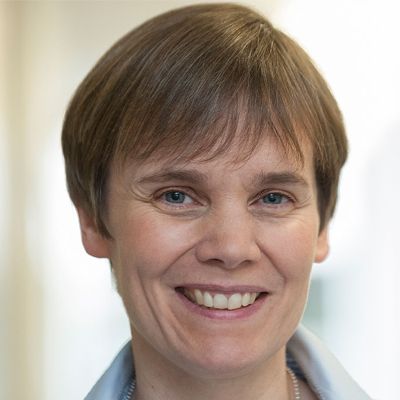
Anette Melk
Dr. Anette Melk (MD PhD) is a Professor of Pediatrics and Transplantation Medicine at Hannover Medical School. She is the director of the DFG-funded Young Academy - PRACTIS (PRogram of hAnnover medical school for Clinician scienTISts).
Dr. Melk received her MD at the University of Giessen (Germany) and her PhD from University of Alberta (Canada). She trained as a Pediatric Nephrologist at the University of Heidelberg Children’s Hospital.
Dr. Melk’s translational work on pathways leading to impaired regeneration in the pathogenesis of renal and cardiovascular diseasesincludes basic findings and concepts from cell and animal models to clinical applications. She has pioneered the idea that cellular senescence is crucial for the insufficient regenerative capacity of donor organs and an important target in therapeutic approaches.
Dr. Melk’s clinical research projects aim to further decipher factors leading to cardiovascular and renal comorbidity in transplant recipients. She initiated the largest longitudinal clinical study assessing cardiovascular health in children and adults after solid organ and stem cell transplantation (4C-T, cardiovascular comorbidity in children with chronic disease and transplantation). Anette’s holistic view on optimization of patient and graft survival lead her build the first German research consortium that deals with sex- and gender-related differences in renal transplantation.
Dr. Melk serves on several national and international boards. She has received numerous awards, one of which is the prestigious Rudolf-Pichlmayr Prize of the German Transplant Society. She has published more than 100 scientific articles and book chapters; her current H-Index is 27.
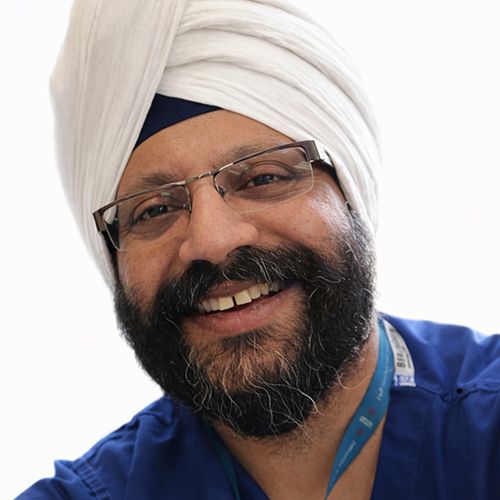
Rajinder Pal Singh
I am a transplant surgeon at Manchester Royal Infirmary, part of Manchester University Hospitals NHS Foundation Trust, one of Europe’s busiest kidney and pancreas transplant programmes. I have been practising as a consultant surgeon in the NHS since 2011. I completed ASTS-accredited fellowships in abdominal multi-organ transplantation at the University of Minnesota and Wake Forest University in the United States.
My clinical work focuses on kidney and pancreas transplantation, including complex kidney transplantation and advancing safer and evolving approaches to pancreas transplantation. Within my institution I contribute to clinical leadership across several transplant-related services, including vascular access and infection prevention, areas closely linked to transplant outcomes and patient safety.
I have authored several peer-reviewed publications and book chapters in transplantation. During COVID-19 I developed the Singh Thattha technique, a culturally competent solution enabling faith-observant individuals with beards to safely wear respirator masks without shaving.
I actively engage with ethnic minority communities in the United Kingdom to promote deceased donor organ donation and help reduce disparities in transplant access. I maintain academic and professional collaborations across the United Kingdom, United States and India and serve as Professor at Sharda University, India, where I explore interdisciplinary research looking beyond traditional genetic paradigms in understanding disease and longevity.
I am the author of Journey Across Boundaries, reflecting on the human dimensions of transplantation, and produced the environmental awareness film Wheels of Civilization, which explores sustainability and humanity’s relationship with the natural world. I also engage with healthcare leadership on improving sustainability and reducing medical waste within healthcare systems.
I would be honoured to contribute to the work of TTS, working alongside colleagues globally to support collaboration, innovation, education and equitable access to transplantation while learning from the diverse experiences of our international community.
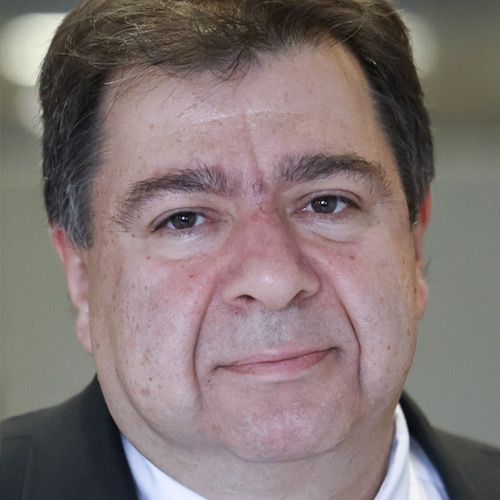
Georgios Tsoulfas
Dr. Georgios Tsoulfas received his MD from the Brown University School of Medicine and completed a general surgery residency at the University of Iowa Hospitals and Clinics, followed by a transplant research fellowship at the Starzl Transplant Institute at the University of Pittsburgh. He then completed a two-year transplantation surgery fellowship at Massachusetts General Hospital, Harvard Medical School, before joining the Division of Solid Organ Transplantation and Hepatobiliary Surgery at the University of Rochester Medical Center as an Assistant Professor of Surgery.
He subsequently returned to Greece, where he is Professor of Transplantation Surgery and Chief of the Department of Transplantation Surgery at the Aristotle University of Thessaloniki School of Medicine, as well as Director of the Center for Research and Innovation in Solid Organ Transplantation.
Dr. Tsoulfas has published more than 240 peer-reviewed papers and 46 book chapters, with an h-index of 38, an i10-index of 94, and more than 8,460 citations. He has also edited 17 books and serves as a reviewer for 40 international journals, while sitting on the editorial boards of several others, including International Surgery and Annals of Surgical Oncology.
His honors include the Edward E. Mason Award for excellence in patient care and education, as well as the American College of Surgeons International Guest Scholarship. He is a member of numerous professional organizations, including The Transplantation Society, the American Society of Transplant Surgeons, the American College of Surgeons, the International Liver Transplantation Society, and the International College of Surgeons, among others.
Dr. Tsoulfas has held many leadership roles, including World President of the International College of Surgeons, Chair of the American College of Surgeons International Relations Committee, President of the Hellenic Transplantation Society, Vice-President of the Aristotle University School of Medicine, and Governor of the ACS Greek Chapter.
His clinical and research interests include hepatobiliary surgery, hepatic malignancies, ischemia-reperfusion injury, solid organ transplantation, surgical education, and the use of technology, including artificial intelligence and 3D printing in surgery.
(two votes in this category)
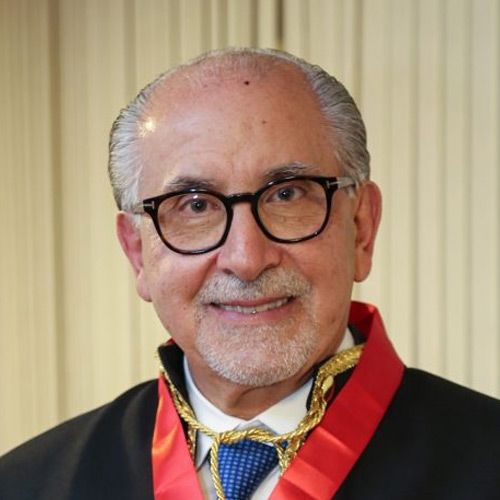
Elias David-Neto
Dr. Elias David-Neto is a distinguished Brazilian nephrologist and transplant physician. Born in São Paulo on April 24, 1955, he graduated from the Faculdade de Ciências Médicas de Santos in 1978 and completed his training in internal medicine and nephrology at Hospital das Clínicas, Faculty of Medicine, University of São Paulo (HC-FMUSP). He earned his doctorate in 1989 and his habilitation in 2000, and since 2015 has served as Full Professor in the Department of Internal Medicine at the Faculdade de Medicina de Jundiaí.
Dr. David-Neto has been a member of the Renal Transplant Service at HC-FMUSP since 1982 and became its Director in 2018. Under his leadership, the program expanded transplant activity and advanced key innovations including pediatric kidney transplantation, paired kidney donation, and ABO-incompatible transplantation. He also helped establish major clinical and research infrastructure in transplantation, including electronic medical records, clinical research programs, immunosuppressive drug monitoring, and diagnostic techniques for antibody-mediated rejection.
He has trained numerous graduate students and physician leaders in Brazil and abroad. Dr. David-Neto served as President of the Brazilian Association of Organ Transplantation (ABTO), where he created the Brazilian Transplant Registry and helped shape the foundations of Brazil’s current organ procurement and allocation system. A founding member of the International Pediatric Transplant Association, he has also held important editorial and leadership roles in international transplantation and nephrology. He has published 174 studies in indexed international journals.
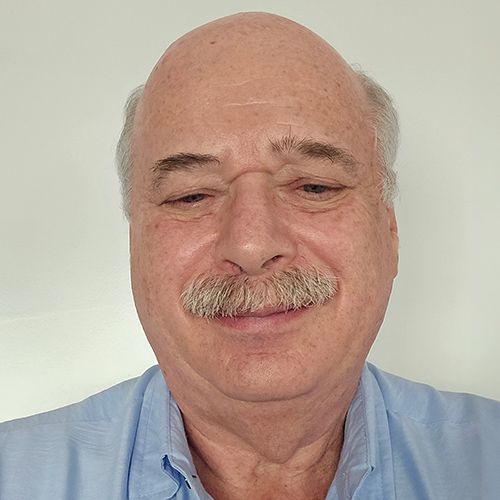
Oscar Cesar Imventarza
Oscar Imventarza was born and grew up in Buenos Aires Argentina. He graduated from the University of Buenos Aires (UBA) in 1982. He received his surgical training between 1983-1986 at the Hospital Argerich and the Hospital Finochietto.
In 1987 he began his training in Hepatobiliary Surgery and Liver Transplantation at the Transplant Division of the University of Pittsburgh under the supervision of Professor Thomas Starzl. He became Research fellow (1987), Clinical Fellow (1988), Instructor of Surgery (1989) and Assistant Professor of the same University in 1990.
Oscar Imventarza returned to Argentina at the end of 1992 and opened as Chairman the first two Public Liver Transplant Programs of Argentina in the Hospital Juan P Garrahan (children's) and Hospital Dr C Argerich (adult's). Both became the most important public HPB centers of Argentina. Also he developed the first Liver and Pancreas Transplant Program of the Litoral Region located in Formosa City.
Professor Imventarza has been an active member of different surgical societies. He was a founding member and President of the Argentine Society of Transplantation, Council Member of the Argentine Chapter of the IHPBA (CA-IHPBA) since 2007 and President of the same Chapter for 2013-2015 period. He is an Active Member of the Argentine Academy of Surgery. His practice is focused in liver surgery and transplantation for adult and pediatric patients.
- Chairman, Liver & Transplant Division- Hospital Dr Juan P Garrahan
- Chairman, Liver & Transplant Division - Hospital Dr C Argerich
- General Coordinator, Liver & Transplant Unit - Sanatorio Trinidad Mitre
- Chairman, Liver & Pancreas Transplant Division - Hospital de Alta Complejidad, Formosa - Argentina
- Past President, International Hepato-Pancreato-Biliary Association
- President, STALYC 2020-2022
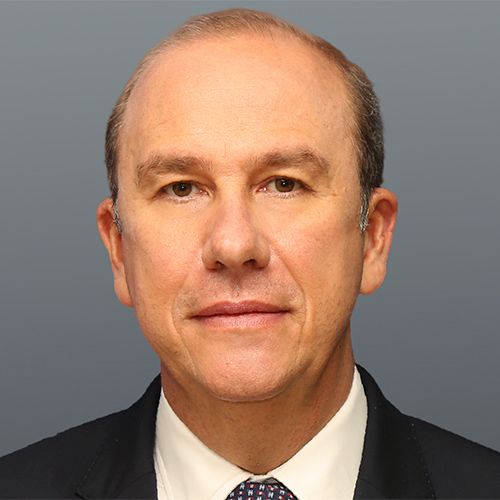
Mario Vilatobá
Mario Vilatobá MD. was born in Mexico City. He was admitted to the Instituto Nacional de Ciencias Médicas y Nutrición Salvador Zubirán (National Medical Science and Nutrition Institute Salvador Zubirán) (INNSZ) as a resident in General Surgery in 1996, with the National Autonomous University of Mexico´s (UNAM). Between 2002 and 2005, he trained in multi-visceral transplantation at the University of Alabama, in Birmingham, USA. Upon his return to Mexico, he became an attending transplant surgeon and investigator at the INNSZ. In 2007, he spent 6 months in Hong Kong at the Queen Mary Hospital, and in Seoul at Seoul National University, to conduct international fellowships in living donor liver transplantation and liver surgery. In 2008, he became the Director of the Liver Transplant Program at the INNSZ, and in 2012, he was named the Institute´s Head of the Transplant Department and Full Professor of Transplant Surgery.
He is the current president of Mexican Society of Transplantation.
(one vote in this category)
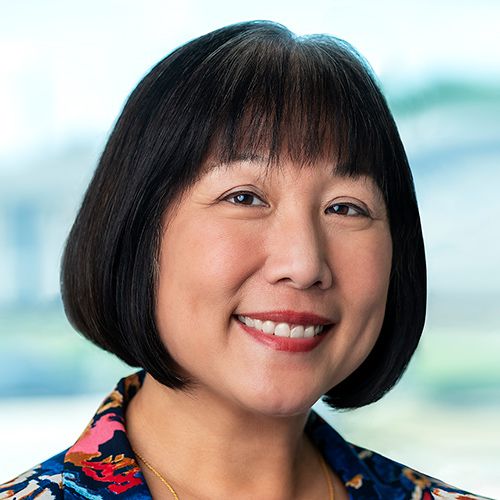
Yolanda T. Becker
As a surgeon, educator, and someone who is passionate about policy development, I am deeply committed to advancing our field at a time of profound opportunity and change. I currently serve as Vice President and Chief Medical Officer of LifeGift, one of 3 OPOs in Texas and am a retired Professor of Surgery at the University of Chicago after directing the Kidney and Pancreas programs for many years.
My career spans clinical transplantation, academic leadership, national policy, and now organ donation. I had the privilege of caring for patients, training future transplant professionals, and contributing to research that advances our understanding of transplantation. In my current role, I have deepened my understanding of the challenges facing organ donation and systems collaboration.
I have also had the opportunity to help shape the systems that govern transplantation. As Past President of the OPTN Board of Directors and as a member of the National Academy of Sciences committee examining equity in organ allocation, I worked with colleagues across disciplines to improve organ utilization, strengthen policy, and promote equitable access to transplant. Within The Transplantation Society, I have chaired Pillar 1 of Women in Transplantation, where I am passionate about mentorship, leadership development, and building a globally connected transplant community.
I am seeking election to the Board of The Transplantation Society because I believe TTS plays a critical role in shaping the future of transplantation worldwide. I hope to contribute my experience in clinical transplantation, policy development, and organizational leadership to support innovation, strengthen global collaboration, and ensure that the life-saving promise of transplantation reaches more patients around the world.
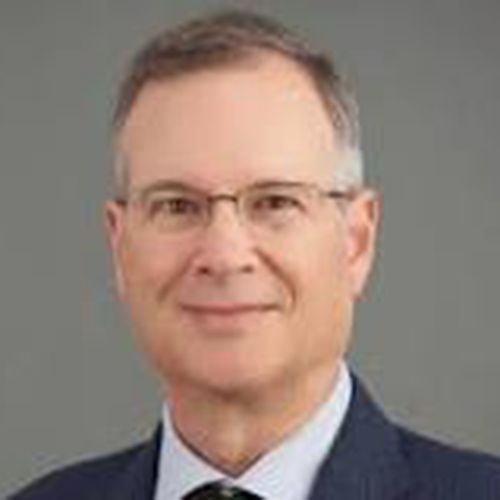
Dixon B. Kaufman
Dixon Kaufman is the Ray D. Owen tenured-professor of surgery at the University of Wisconsin School of Medicine and Public Health and the Medical Director of the UW Health Transplant Center. He has contributed extensively to the field of transplant surgery including clinical and translational research, and education/training. He has held leadership positions in UNOS (Chair Pancreas/Islet Committee, Board member), and the American Society of Transplant Surgeons (Chair of Education and Program committees, Secretary and President). He has been involved in many of the official TTS sections (e.g., IPITA, Council). He will an experienced and knowledgeable member of the TTS Council representing North American and global interests of our membership across several disciplines and agencies.
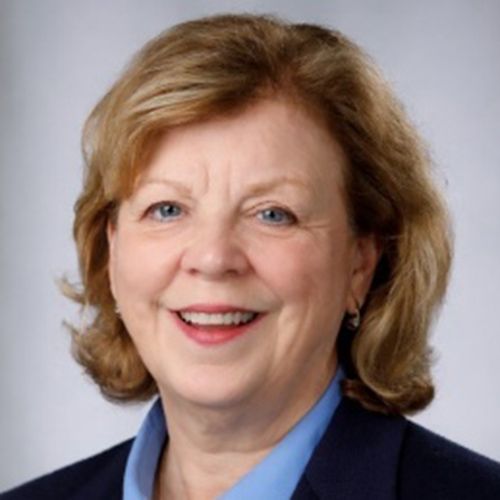
Roslyn B. Mannon
My 25-year career as a transplant nephrologist has focused on translational research addressing mechanisms of late kidney allograft failure, with particular emphasis on developing more effective and innovative immunosuppressive strategies. My work integrates laboratory investigation with clinical research to improve long-term transplant outcomes.
I am deeply engaged in advocacy for individuals living with kidney disease, having served as Chair of Public Policy for both the American Society of Transplantation and the American Society of Nephrology and receiving awards from the National Kidney Foundation and the American Association of Kidney Patients for career excellence in advocacy.
As Past President of the American Society of Transplantation, I strengthened partnerships with colleagues and organizations across the globe. My leadership within The Transplantation Society is reflected as Chair of Women in Transplantation, where I developed an industry-supported scientific grant portfolio to advance research on sex and gender in transplant access and outcomes. During this period, Women in Transplantation expanded its collaborations in Asia and Africa through partnerships with the Asian Society of Transplantation and VITTALINK. I have also served as TTS representative to the Transplant Therapeutics consortium, TTS Program Committees and the Finance Committee for 2026 TTS Congress.
As Councilor, I envision a future in which transplantation is defined not only by scientific excellence, but by fairness, inclusivity, and global collaboration. I am committed to building systems that expand organ access, reduce disparities, nurture the next generation of leaders, and accelerate transformative research that improves patient lives worldwide.
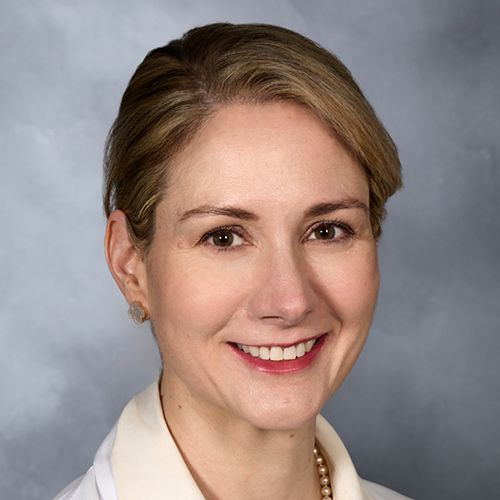
Deirdre Sawinski
Deirdre Sawinski, MD is a transplant nephrologist, clinical researcher and Associate Professor of Medicine at Weill Cornell Medical College in New York. She has been a TTS member since 2017, and has served on the Young Member’s Committee, the TTS Grants Review Committee and as a TTS congress abstract reviewer. Dr. Sawinski brings broad transplant leadership experience, having been a member of the OPTN Kidney Committee and the Membership and Professional Standards Committee and is completing a term on the American Society of Transplantation’s Board of Directors. She is passionate about transplantation and increasing transplant access world-wide.
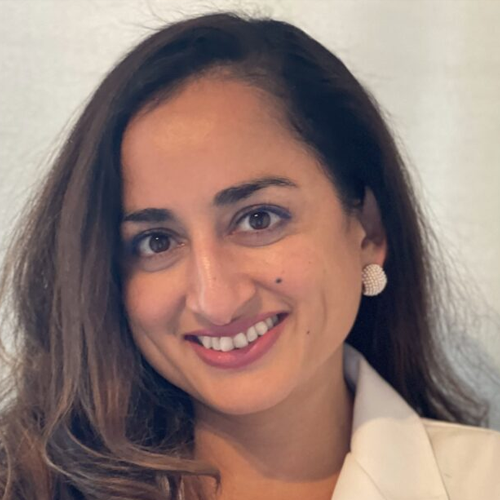
Shaifali Sandal
I am an Associate Professor, transplant nephrologist, and health systems researcher at McGill University in Montreal, Canada. I have been an engaged member of TTS for more than 10 years. Within TTS, I previously chaired the Early Career Members Committee, where I pioneered trainee-led initiatives to build community, mentorship, and practical career support. Notably, I lobbied and helped successfully establish a dedicated TTS-led grant program that grew into the Awards and Grants Committee, which I now chair. Through this work, I also identified the need for a Bridge Grants program designed to support members with excellent research ideas who may benefit from added structure in grantsmanship so that promising projects are not lost due to avoidable barriers.
Beyond TTS, I am an active contributor to multiple transplant and nephrology-led initiatives aimed at advancing donation and transplantation through evidence-informed policy and stronger, more resilient care systems. I also founded BES3T-KCare (Building Equitable, Stronger and Sustainable health Systems in Transplantation and Kidney Care) at McGill University, where I lead an active research program entailing several arcs of inquiry related to donation and transplantation.
I am running for Councilor-at-Large (North America) because I am committed to strengthening TTS’s global footprint for generations to come. As an Indian immigrant to Canada who trained in Grenada and the United States, I bring a cross-border perspective shaped by navigating change, setbacks, and opportunity, equipping me to champion inclusive progress, support members at all career stages, and advance TTS’s mission with urgency and integrity.
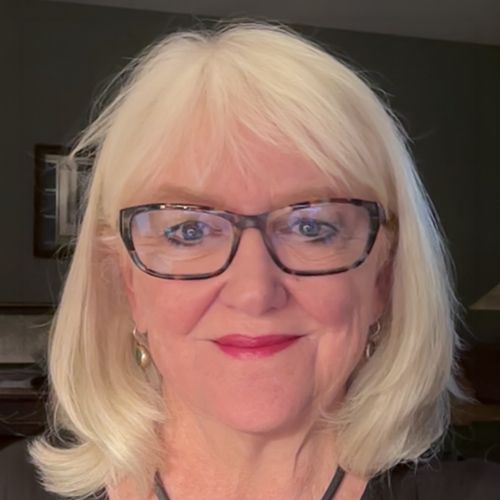
Lori West
Dr. Lori West is a Professor of Pediatrics, Surgery, Medical Microbiology/Immunology and Laboratory Medicine/Pathology at the University of Alberta. A clinician-scientist, Dr. West has longstanding interest and expertise in pediatric heart transplantation and transplant immunology, with a focus on immune tolerance. Her pioneering work on crossing ABO barriers led to global advancement in infant heart transplantation, and she continues in-depth exploration of ABO-glycoimmunology related to organ transplantation and the impact of ABO-histocompatibility on international transplantation and organ allocation practices and policies.
Dr. West is the past-President of the International Society of Heart and Lung Transplantation and the Canadian Society of Transplantation, past-Chair of the Women in Transplantation international initiative of The Transplantation Society, served as a member of the Board of Directors of the American Society of Transplantation, and is a British Society of Transplantation honorary lifetime member. She directed the Alberta Transplant Institute from 2013 to 2024. With Dr. Marie-Josée Hébert, Dr. West co-founded the Canadian Donation and Transplantation Research Program, a national research coalition funded by the government of Canada in 2013 and encompassing collaborations across all streams of research, with 300+ current investigators at 40+ sites across Canada and internationally. A Fellow of both the Royal Society of Canada and the Canadian Academy of Health Sciences, Dr. West was inducted as an Officer of the Order of Canada in 2022. She received the Lifetime Achievement Award from the Canadian Society of Transplantation, the 2023 Physician of Distinction Award from the American Society of Transplantation, and the 2024 Lifetime Achievement Award from the International Society of Heart and Lung Transplantation. Dr. West was awarded the King Charles III Coronation Medal in 2025.
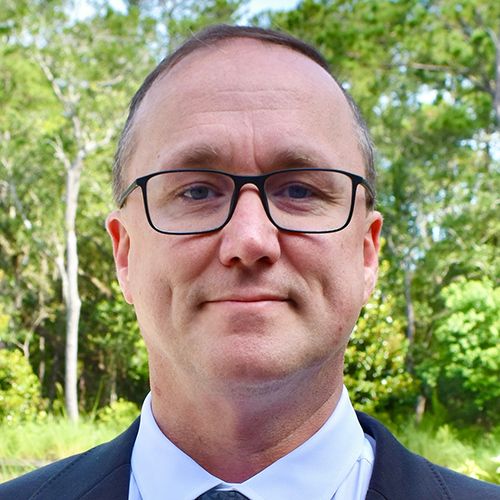
Kenneth Woodside
Ken Woodside is a transplant surgeon and health services researcher. He currently serves as Chair of the TTS Membership Committee. His first job in transplant was at the age of 19 in Bob Merion’s lab and has dedicated his life to transplant since then.
Dr. Woodside received undergraduate, graduate, and medical degrees from the University of Michigan (UM), also completing the HHMI-NIH Research Scholars Program in developmental immunology at NICHD. He completed surgery residency and a transplant immunology postdoc at University of Texas Medical Branch (UTMB) and transplant surgery fellowship at UM. He has been faculty at UTMB, Case Western Reserve University, and UM. He current serves as the Surgical Director at Sharing Hope South Carolina.
Dr. Woodside has a long-standing interest in global transplant capacity building. He was part of the team that established Ethiopia’s first kidney transplant center at St. Paul’s Hospital Millennium Medical College in Addis Ababa and Rwanda’s first center at King Faisal Hospital in Kigali. He is currently working with new programs in Zambia and Ghana in their path to transplant independence using capacity building models.
He is an associate editor of Transplantation and Clinical Transplantation, as well as a section editor of Current Transplantation Reports. From 2015 to 2019, he was an investigator with the federally funded United States Renal Data System (USRDS), serving as the lead surgeon for the transplant and vascular access groups. Dr. Woodside’s clinical and research interests focus on kidney and pancreas transplantation and organ donation.
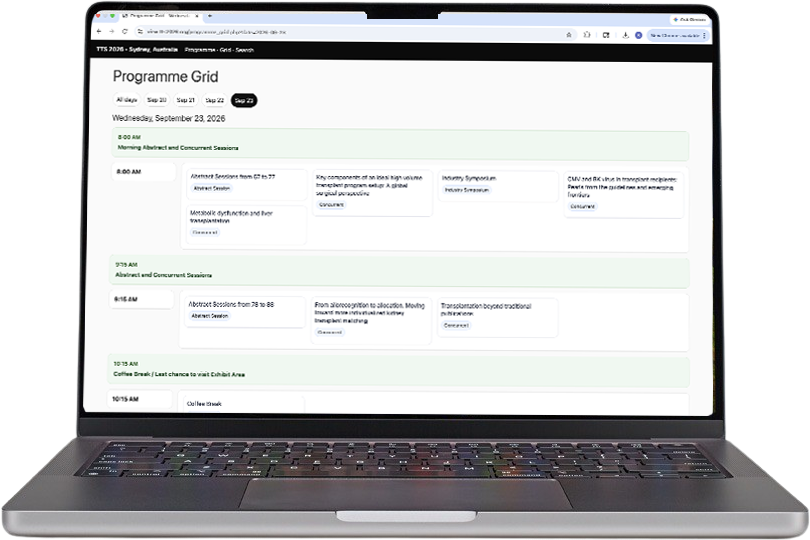
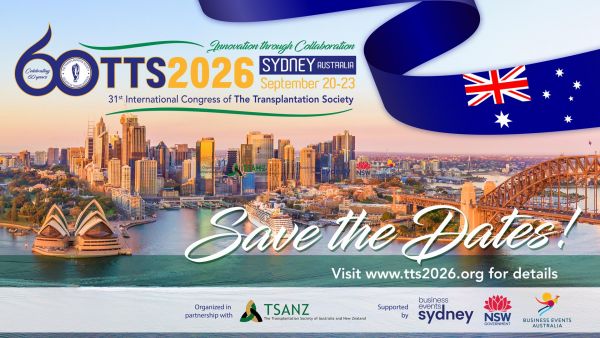
TTS 2026 - Start Planning your Week

TTS and WIT Awards Nominations
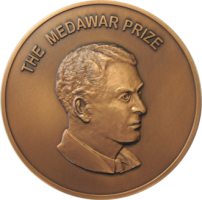
The Transplantation Society is pleased to announce that nominations are now open for the Society’s most prestigious honors: the TTS Medawar Prize, the TTS Thomas Starzl Innovation Award, the TTS Dr. Sanjeev Kanoria Liver Transplant Award, WIT Awards and TTS Recognition Awards. TTS members are encouraged to nominate deserving colleagues whose work has had a meaningful impact on transplantation and the global transplant community.


Transplantation Journal Highlights

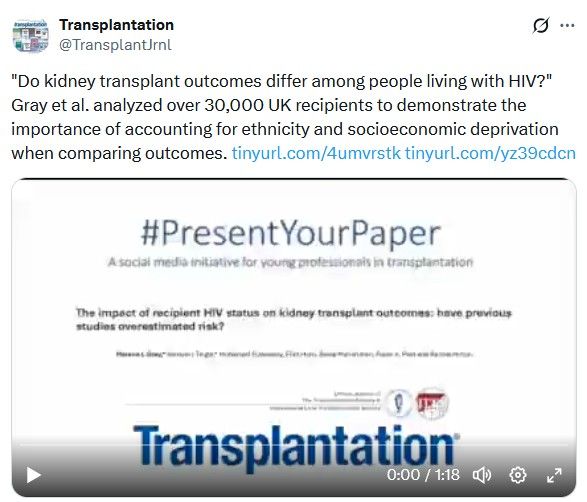
Transplantation Journal - Social Media Content
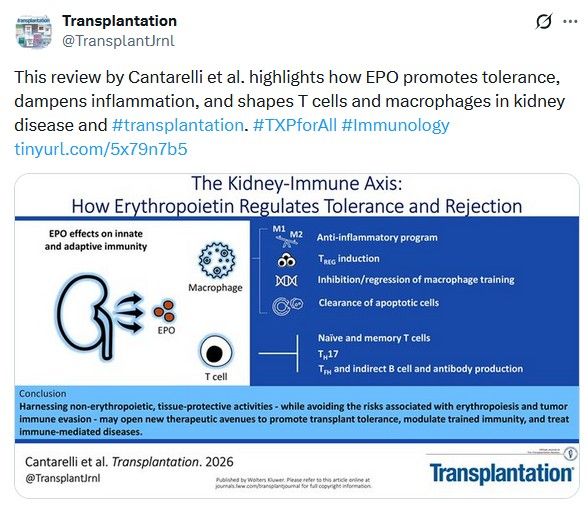
Transplantation Direct - Social Media Content
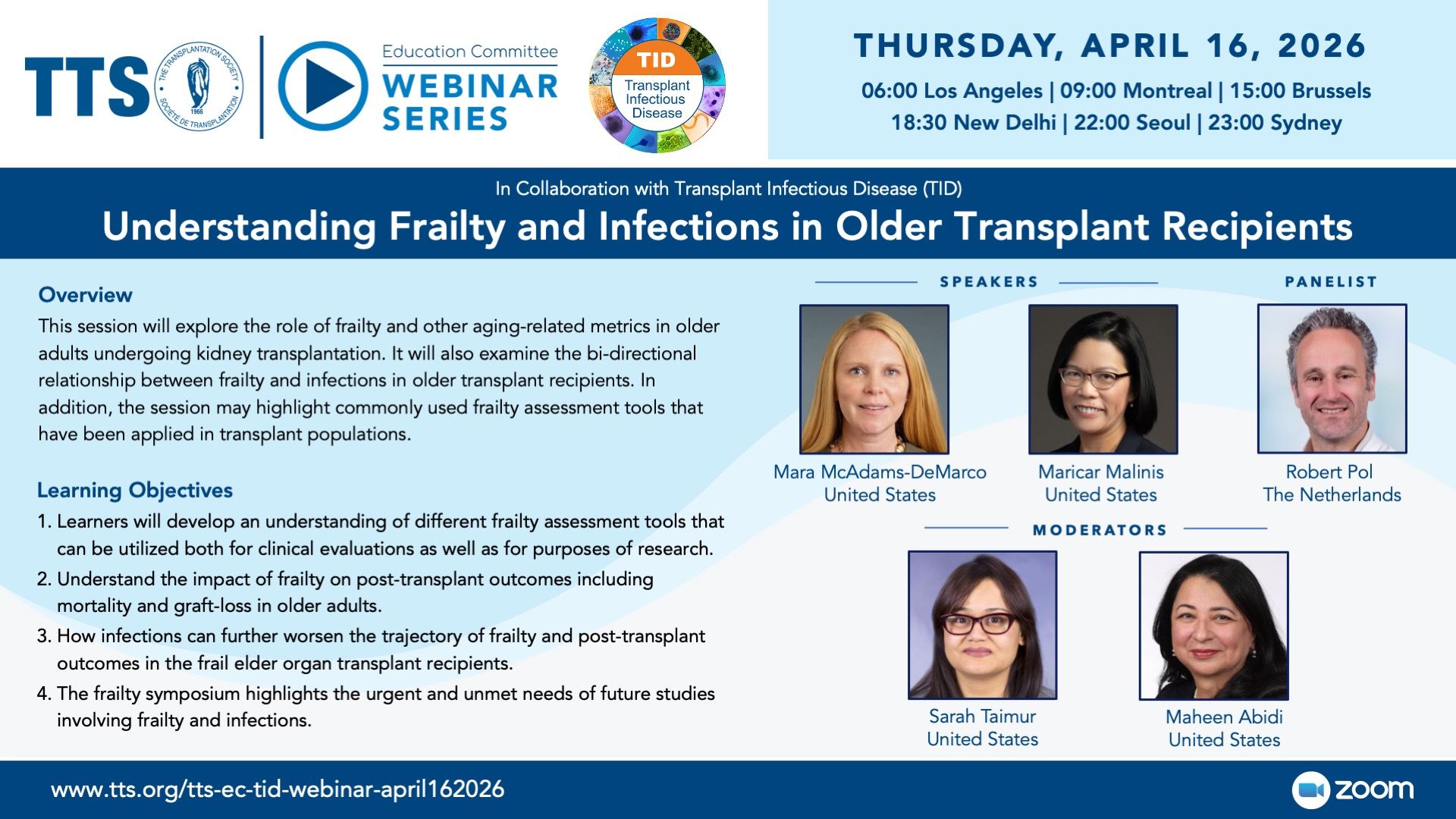
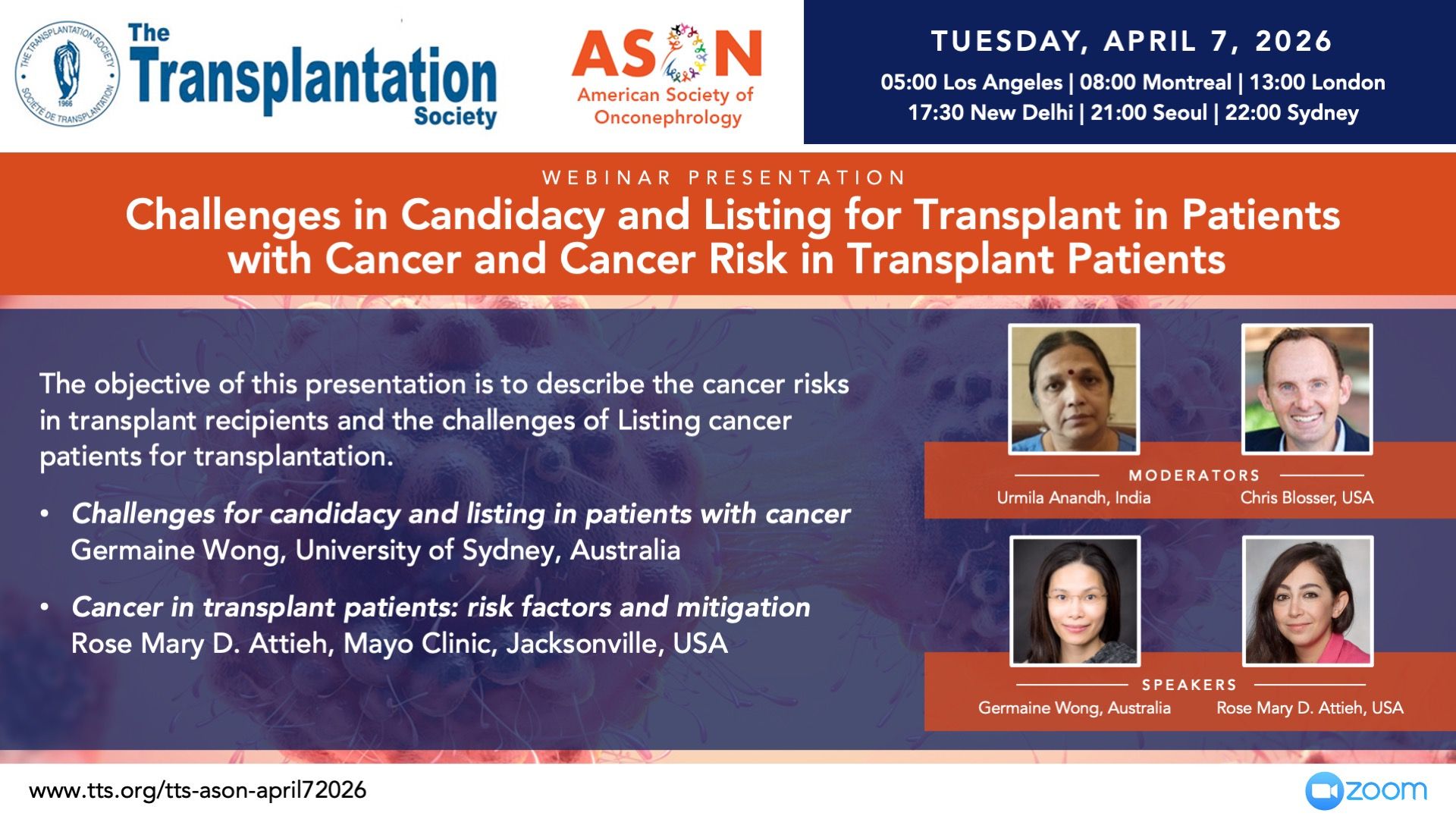
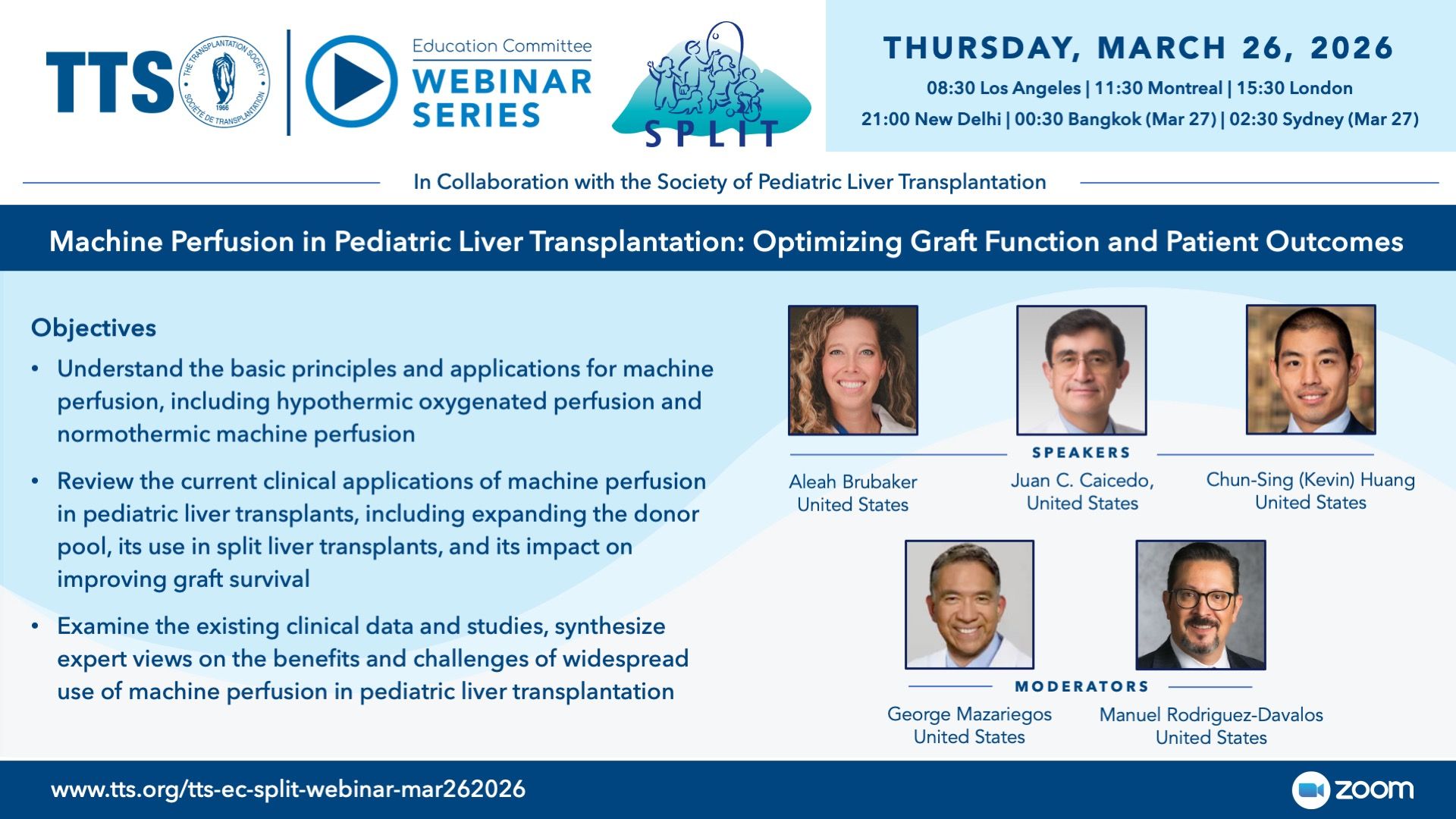
In Case You Missed It...

Contact
Address
The Transplantation Society
International Headquarters
740 Notre-Dame Ouest
Suite 1245
Montréal, QC, H3C 3X6
Canada
Используйте Вавада казино для игры с бонусом — активируйте промокод и начните выигрывать уже сегодня!